
Britannica
Sources used in this answer
What features made the Labrador whaler useful for fishing in eastern Canada?
Created from Britannica articles
using AI.
AI can make mistakes, so verify using Britannica articles.
boat
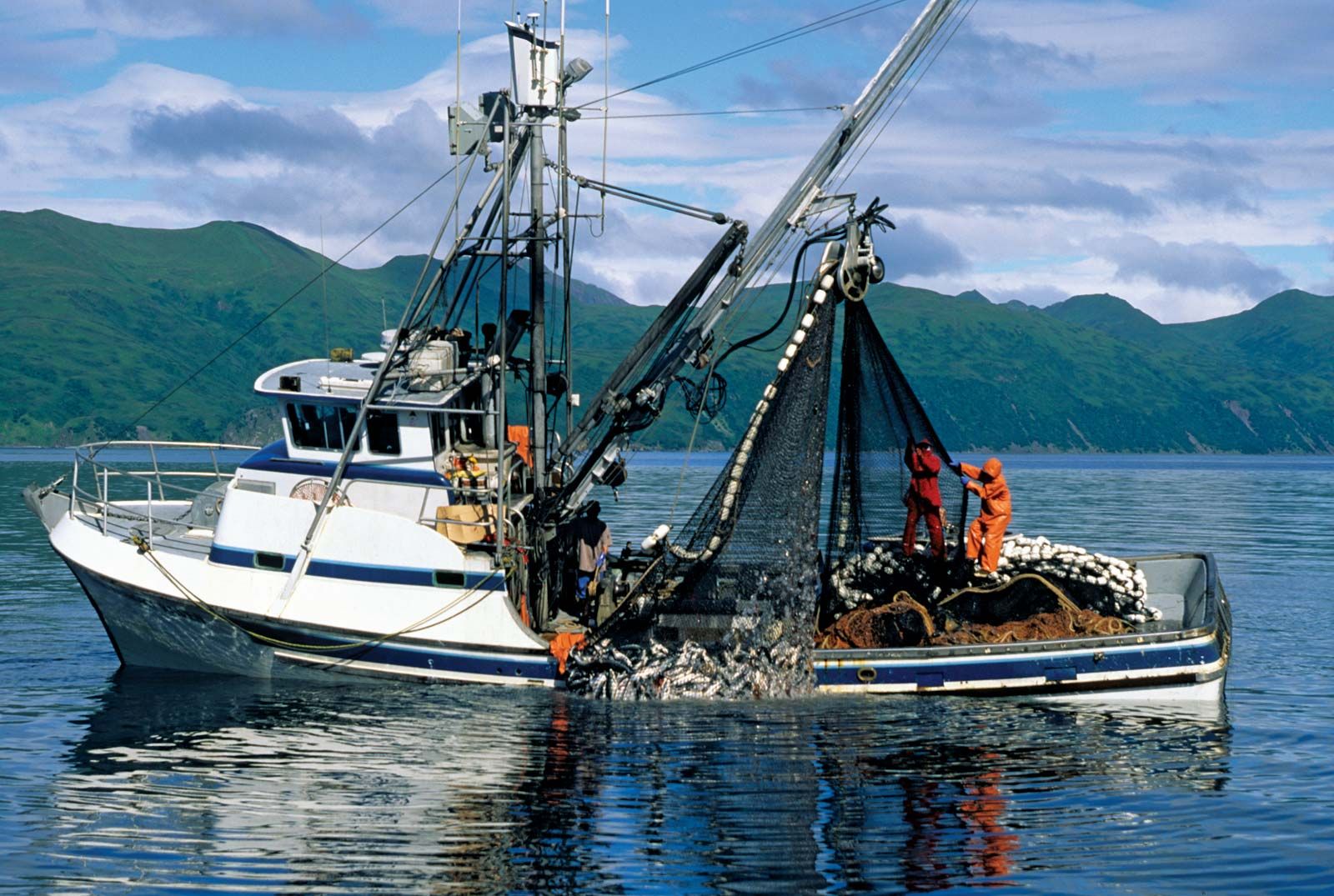
A commercial salmon-fishing boat in Alaska.
The Labrador whaler was a popular small watercraft used in the Labrador fisheries during the 19th century. Its design was characterized by two primary features that made it effective for its purpose:
- Lapstrake construction: This method of boat building, where the edges of the hull planks overlap, provided a durable and sturdy structure suitable for the demanding conditions of the region's fisheries.1
- Double-ended design: Being double-ended—meaning both the bow and stern were pointed—the boat was versatile and capable of being both rowed and sailed, allowing for efficient navigation in the coastal waters of eastern Canada.1
These design qualities were significant enough that they influenced the development of other regional vessels, such as the Tancook whaler and the Hampton boat of New England.1