
Britannica
Sources used in this answer
What features helped dhows sail quickly in the Persian Gulf and along the east African coast?
Created from Britannica articles
using AI.
AI can make mistakes, so verify using Britannica articles.
boat
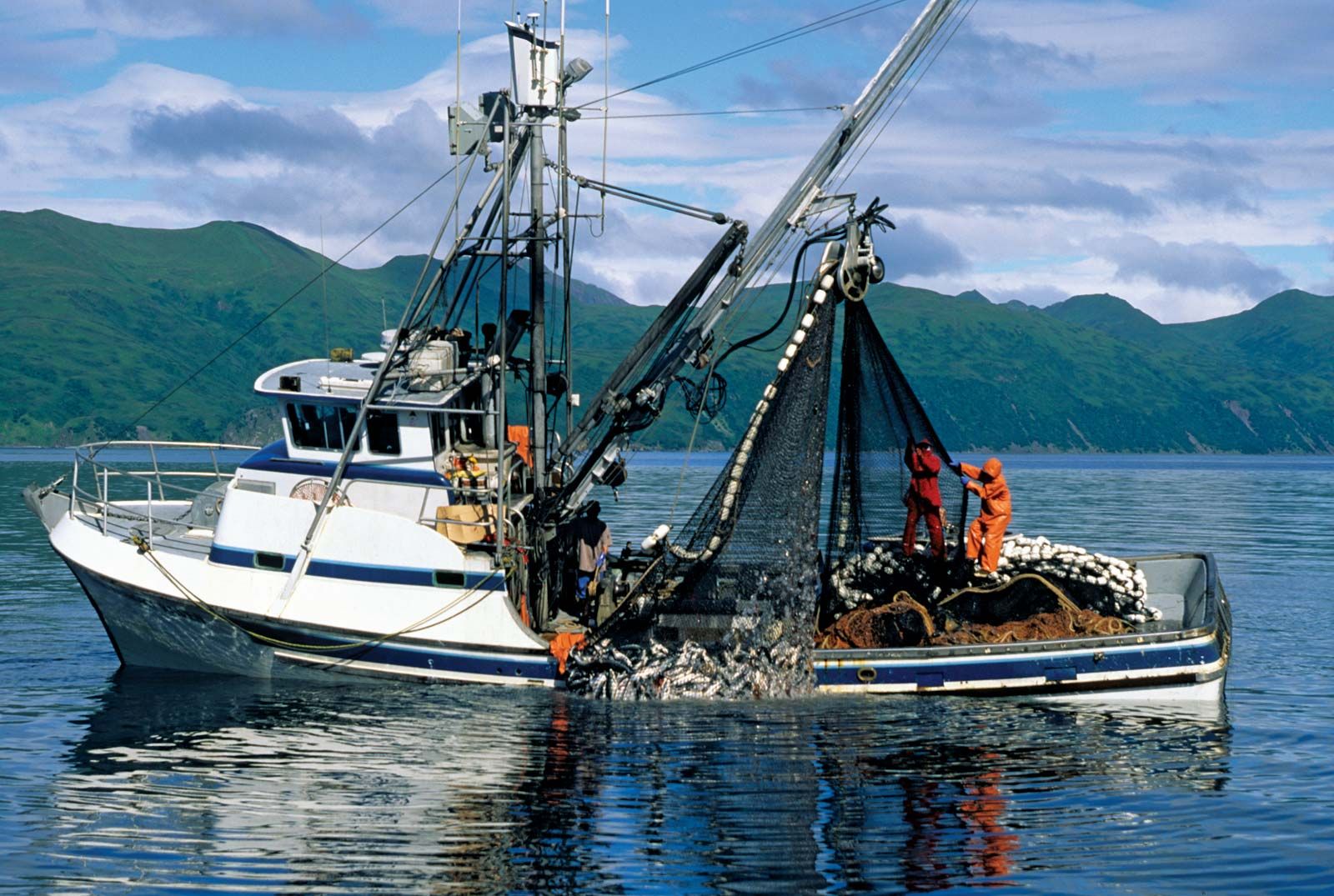
A commercial salmon-fishing boat in Alaska.
Dhows achieved high speeds in the Persian Gulf and along the East African coast through a combination of specialized hull design and advanced sail technology.
Key features contributing to their performance include:
- Lateen Rigging: Dhows typically feature lateen sails, which are triangular sails mounted to a long yard. Unlike traditional square sails that only function well when sailing before the wind, the lateen is a fore-and-aft sail. This allows the vessel to tack into the wind, significantly increasing its maneuverability and speed potential.1
- Hull Design: Many dhow types, such as the bagala and sambuk, are constructed with well-formed hulls specifically designed for fast sailing. These vessels often feature sharp bows with a forward and upward thrust, which helps them cut through the water efficiently.23
- Structural Elements: These boats are characterized by short keels and long, raking curved stems, which contribute to their hydrodynamic performance.2
- Environmental Utilization: Beyond their physical design, dhows were highly effective because they were built to take advantage of the monsoon winds, which facilitated rapid travel between the Arabian Peninsula, the west coast of India, and East Africa.4