
Britannica
Sources used in this answer
How were skin boats traditionally made in Arctic regions?
Created from Britannica articles
using AI.
AI can make mistakes, so verify using Britannica articles.
boat
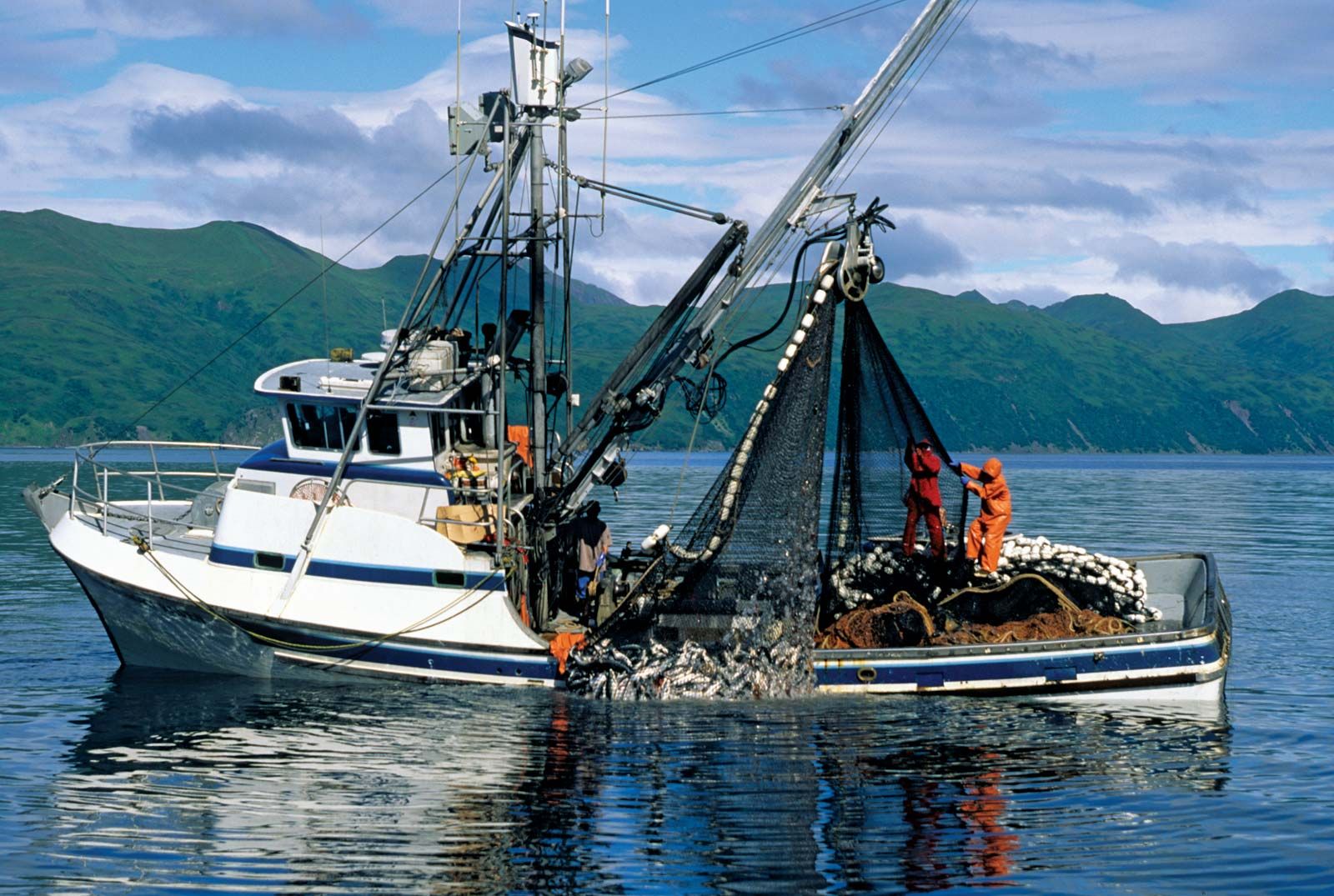
A commercial salmon-fishing boat in Alaska.
In Arctic regions, traditional skin boats—such as the kayak and the umiak—were constructed by stretching animal skins over a rigid framework.123
The process involved the following key elements:
- Framework: Builders created a sturdy structure using materials available in the environment, typically driftwood or whalebone. This frame consisted of longitudinal pieces and ribs, which were secured together using lashings or pegs.142
- Covering: The outer hull was formed by stretching seal or other animal skins over the completed framework.12
- Construction Context: Among many Arctic groups, the construction and repair of these boats were communal activities often performed in a kashim, a traditional structure used for public and ceremonial purposes.4
While the kayak served as a specialized hunting craft for men, the umiak was an open boat traditionally used by women for transport or by men for whaling and walrus hunting. These vessels were essential for survival in the Arctic, providing the mobility required for a seasonally migratory lifestyle.145