
How is electricity produced in fossil-fuel power plants?
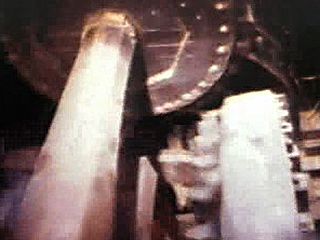
The ingenuity people used in harnessing waterpower can be seen in this medieval-style mill. The waterwheel is turned by a stream and is connected to a shaft that leads into the building. At the other end of the shaft is a gear. The connection of a series of gears translates the power from the stream to a shaft that drives a millstone, which grinds flour from grain.
(30 sec; 1.84MB)
In fossil-fuel power plants, electricity is primarily produced through a thermal process that converts chemical energy into electrical energy. The process generally follows these steps:1
- Combustion: Fossil fuels—such as coal, oil, or natural gas—are burned to release thermal energy.1
- Steam Generation: This heat is used to boil water within a steam generator, producing high-pressure steam.12
- Turbine Operation: The pressurized steam is directed into a turbine, where its thermal energy is converted into mechanical energy as it spins the turbine blades.12
- Electricity Generation: The turbine is coupled to an electric generator. Based on the principle of electromagnetic induction, the spinning motion of the turbine drives the generator to produce electric power.13
While conventional steam-electric units are standard, some advanced facilities utilize combined-cycle operations—such as the Integrated Gasification Combined Cycle—to improve energy conversion efficiency by using both gas and steam turbines.4