
How have modern architects such as Charles Correa drawn inspiration from stepwells?
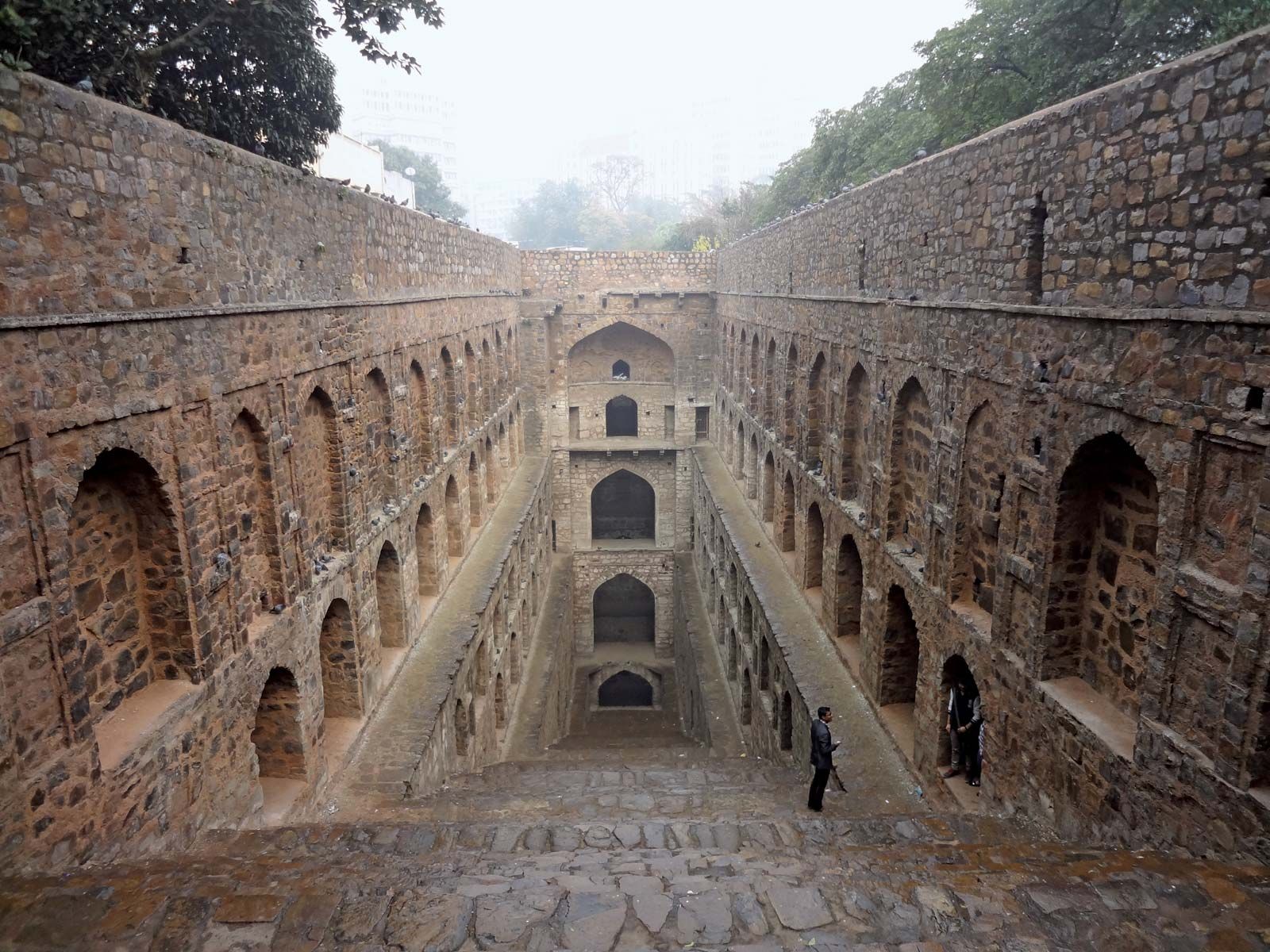
Modern architects, most notably Charles Correa, have drawn inspiration from the traditional stepwell to inform their contemporary designs. By studying these subterranean structures—as well as other stepped water features like tanks and ponds—architects have sought to integrate historical wisdom regarding climate, light, and social space into modern building practices.1
Correa, known for adapting Modernist principles to local Indian climates, utilized these traditional forms to create environments that emphasize human scale and community. His work often reflects the stepwell’s ingenious approach to "reverse architecture," where building underground or incorporating tiered, shaded spaces helps mitigate intense heat. For instance, his design for the Surya Kund (1986) in Delhi directly references the stepped geometry of these ancient water monuments. Through such adaptations, architects like Correa have helped foster a renewed appreciation for these remarkable structures, highlighting their potential relevance in addressing contemporary environmental and architectural challenges.21