
How does tidal power convert the rise and fall of ocean tides into electricity?
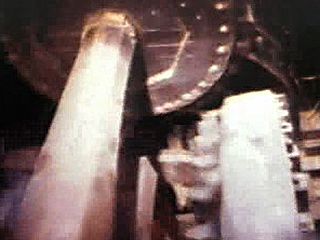
The ingenuity people used in harnessing waterpower can be seen in this medieval-style mill. The waterwheel is turned by a stream and is connected to a shaft that leads into the building. At the other end of the shaft is a gear. The connection of a series of gears translates the power from the stream to a shaft that drives a millstone, which grinds flour from grain.
(30 sec; 1.84MB)
Tidal power converts the kinetic and potential energy of ocean tides into electric power primarily through two technological approaches:1
Tidal Barrage Systems
These systems function similarly to a dam. A barrage is constructed to block water during high tide. As the tide recedes (ebb period), the trapped water is released through a turbine, which spins to generate electricity.1
Tidal Stream Systems
These systems harness the energy of moving ocean currents rather than relying on a dam. They utilize underwater turbines that operate much like underwater wind turbines. These can be installed as individual units or as "tidal fences," where multiple turbines are arranged across a channel to capture the flow of water.1
While tidal barrage systems can disrupt estuarine ecosystems, tidal stream technologies are generally considered to have a lower environmental impact, though designers must account for the safety of migratory fish.1