
How does slag form during blast-furnace ironmaking?
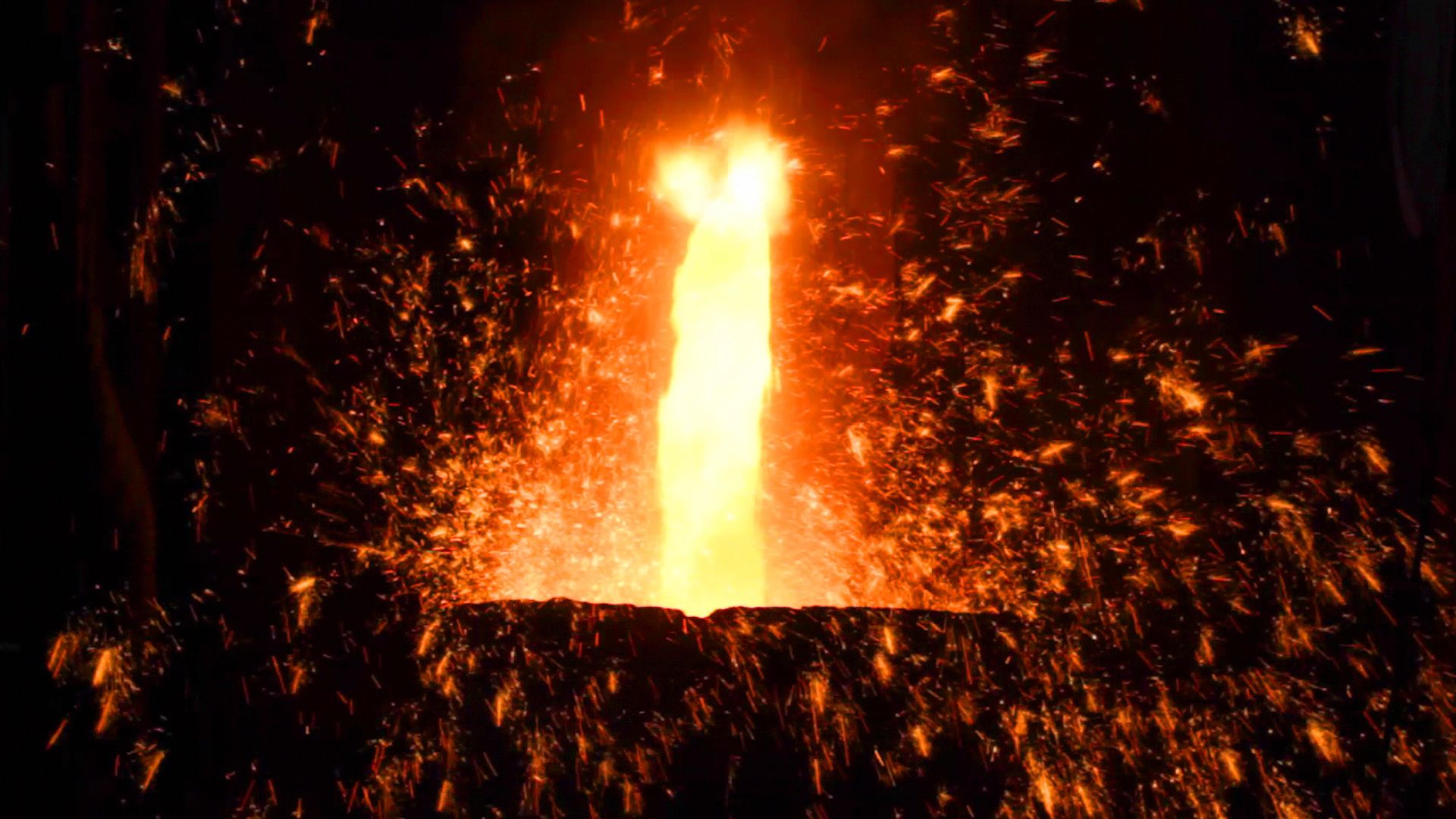
In blast-furnace ironmaking, slag is a vital by-product formed through the chemical interaction of impurities and additives at high temperatures. As the furnace burden—consisting of iron ore, coke, and a fluxing agent like limestone—descends through the furnace, it is subjected to intense heat.1
The slag is specifically produced by the combination of the following components:
* Flux: The limestone or other fluxing substances added to the furnace.21
* Impurities: Various substances present in the iron ore that react with the flux.21
* Ash: Residue derived from the coke used as fuel.21
These materials melt and react to form a liquid mixture that accumulates in the furnace hearth. Because it is less dense than the molten iron, the slag floats on the surface of the metal. This layer serves a protective function by shielding the molten iron from oxidation and keeping it clean during the smelting process. The slag is eventually removed from the furnace through a dedicated slag hole or the same taphole as the iron.123