
How does force feedback create a sense of touch in virtual reality?
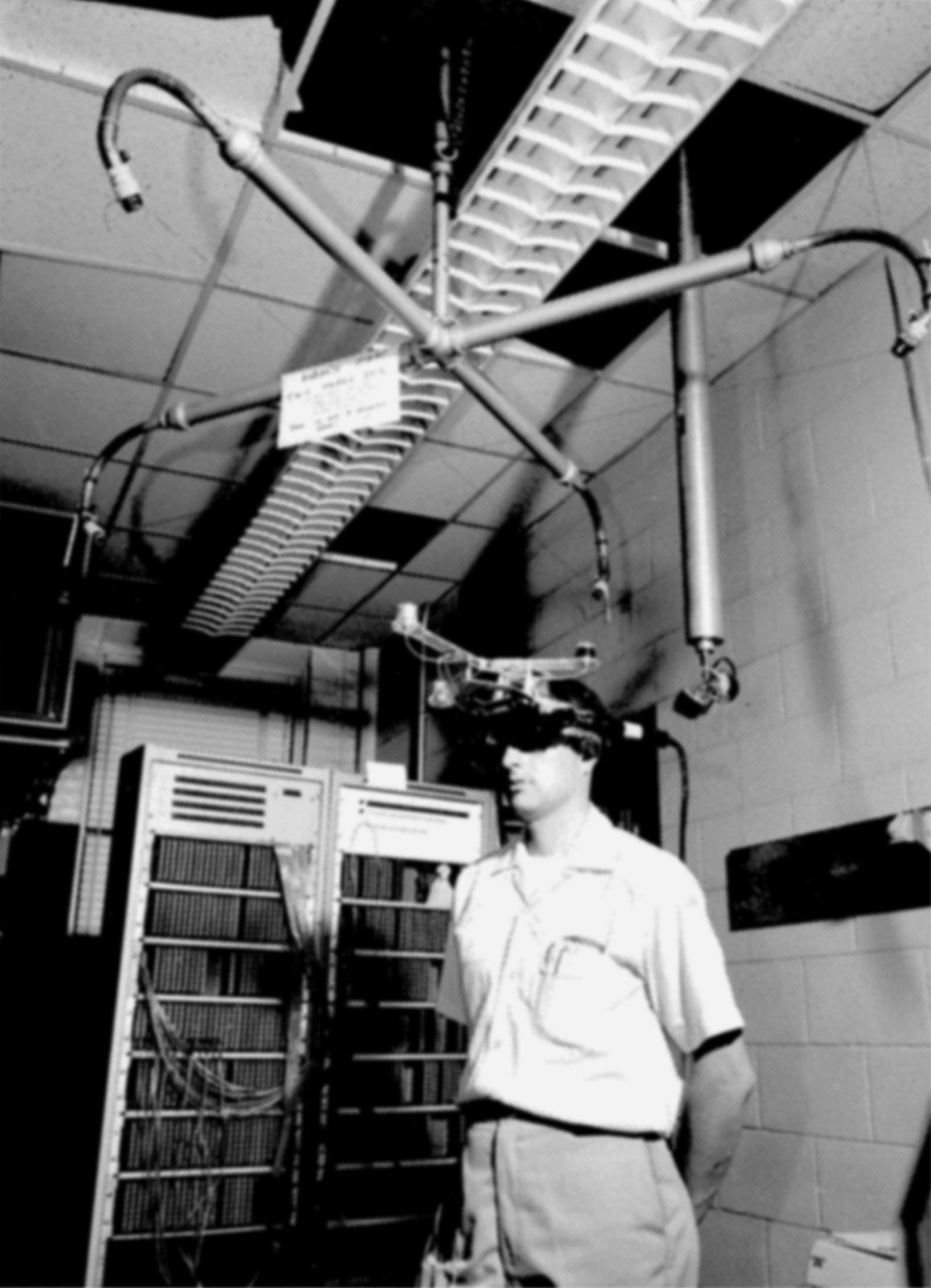
Force feedback in virtual reality creates a sense of touch by utilizing haptic technology, which simulates physical sensations through vibration, motion, or applied force.12
These systems convert energy into mechanical force using various actuators, such as eccentric rotating mass (ERM) motors for "rumble" effects, linear resonant actuators (LRAs) for precise vibrations, or voice coil actuators for more realistic, high-fidelity feedback.1
In VR environments, this technology functions through several modes:
* Tactile feedback: Provides vibrations or textures to simulate contact with surfaces.1
* Kinesthetic feedback: Enables the user to perceive an object’s shape, mass, and resistance, often through graspable devices like controllers or wearable gear like gloves.1
* Pressure feedback: Simulates the physical sensation of touch or resistance when interacting with virtual objects.1
By integrating these mechanical responses into controllers, gloves, or vests, VR systems allow users to physically experience their interactions with virtual characters and environments, significantly enhancing immersion.1