
How does energy conversion change energy from one form into another?
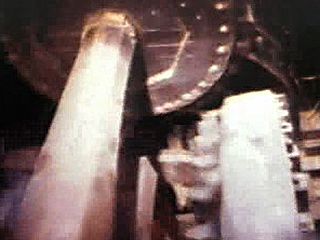
The ingenuity people used in harnessing waterpower can be seen in this medieval-style mill. The waterwheel is turned by a stream and is connected to a shaft that leads into the building. At the other end of the shaft is a gear. The connection of a series of gears translates the power from the stream to a shaft that drives a millstone, which grinds flour from grain.
(30 sec; 1.84MB)
Energy conversion is the process of transforming energy from one form into another, such as changing natural energy sources into forms useful for human activity. According to the first law of thermodynamics, energy cannot be created or destroyed; it can only change its state, such as shifting between potential energy, kinetic energy, thermal energy, or chemical and electrical forms.123
This transformation is achieved through various systems and devices:
- Energy Converters: These systems range from simple tools, like windmills that turn wind into mechanical energy, to complex power plants that convert fossil or nuclear fuels into electrical power.1
- Transducers: These are specific devices designed to convert input energy into a different form of output energy, often maintaining a known relationship between the two. Examples include microphones, which convert sound into electrical signals, and thermocouples, which generate electricity from temperature differences.4
- Direct Conversion: Modern technologies like solar cells and fuel cells are designed to bypass intermediate steps, such as heat generation, to convert energy directly into electricity.13