
Britannica
Sources used in this answer
How does an electric-arc furnace melt scrap steel?
Created from Britannica articles
using AI.
AI can make mistakes, so verify using Britannica articles.
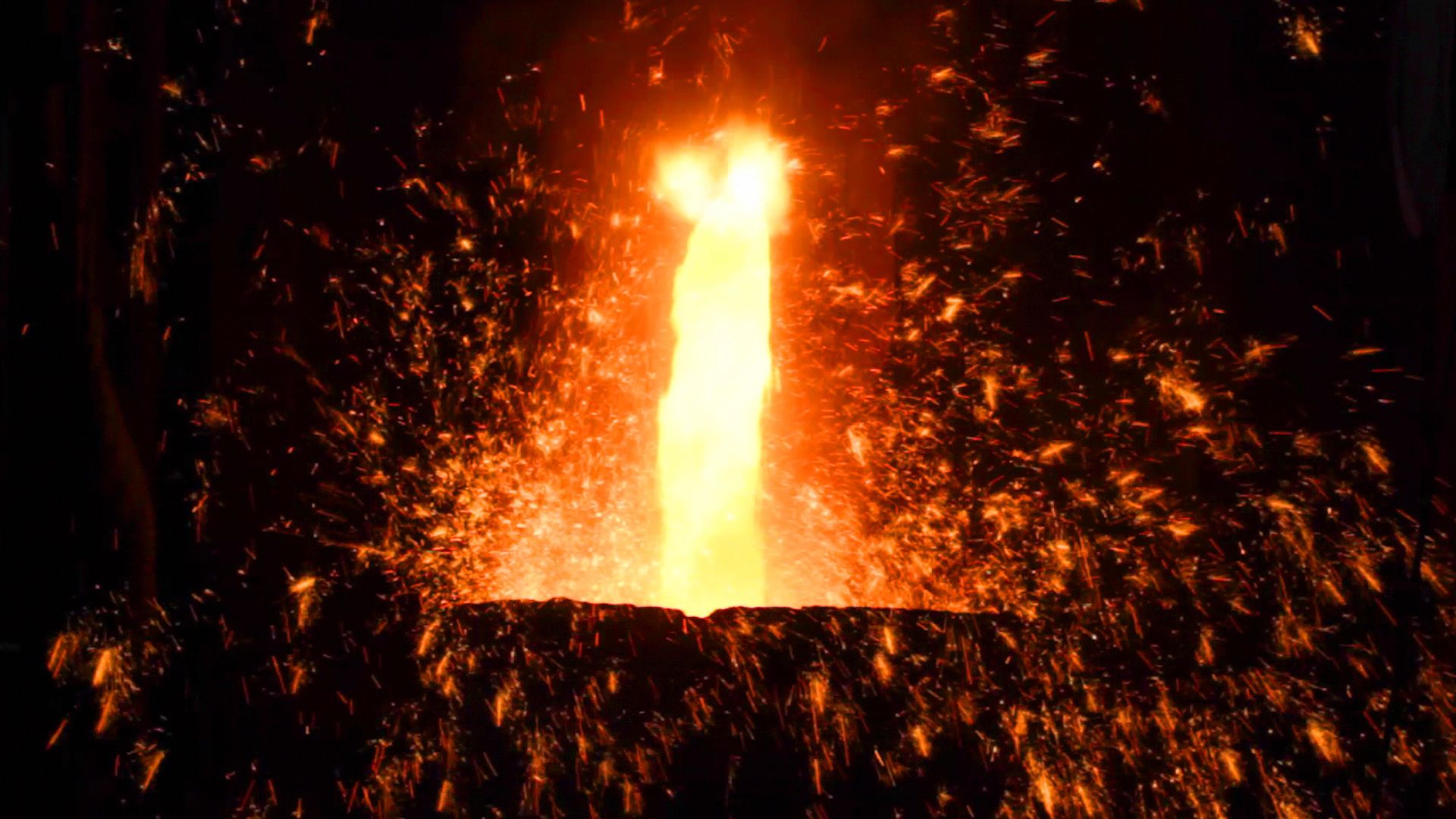
iron processing
Iron ore is one of the most abundant elements on Earth, and one of its primary uses is in the production of steel. When combined with carbon, iron changes character completely and becomes the alloy steel.
An electric-arc furnace (EAF) melts scrap steel by utilizing high-current electric arcs generated between graphite electrodes and the metallic charge.12
The process functions as follows:
- Charging: The furnace roof is removed, and scrap steel is loaded into the hearth via a drop-bottom bucket.3
- Arc Initiation: Once the roof is replaced, the electrodes are lowered toward the scrap. Meltdown begins at a low power setting to allow the electrodes to bore into the scrap, which protects the furnace sidewalls from intense heat.3
- Heating: The mast system regulates the distance between the electrode tips and the scrap to control the arc length and current flow. As the scrap melts, the power setting is increased.13
- Refining: Once melted, the steel's chemical composition is adjusted through oxygen blowing, carbon injection, or the addition of alloys.23
To improve efficiency, some furnaces use direct current with a bottom electrode, or preheat the scrap using furnace off-gases to reduce power consumption. The process typically lasts one to four hours, depending on the desired steel quality.43