
How does a blast furnace act as a countercurrent heat exchanger?
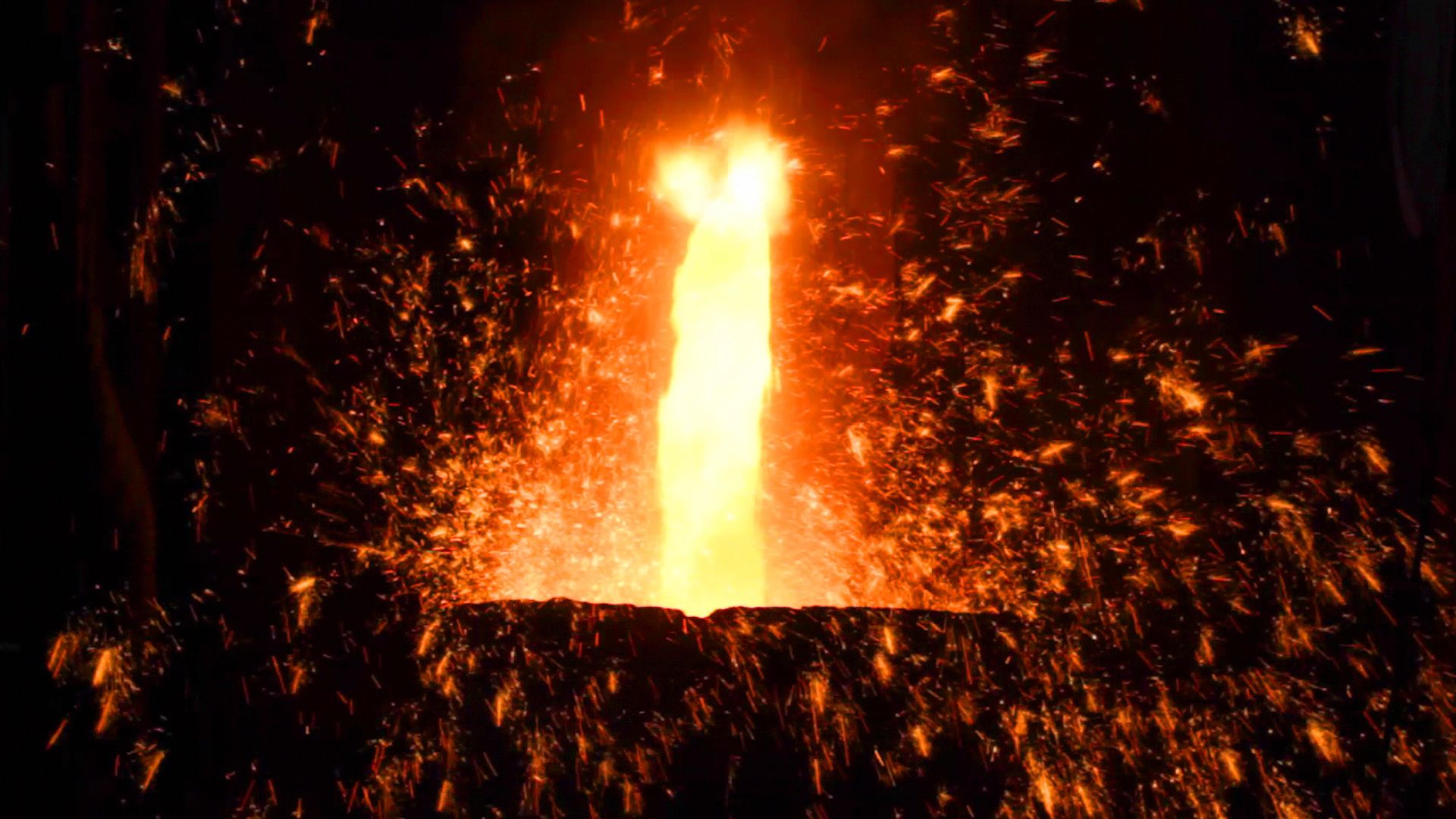
A blast furnace functions as a countercurrent heat exchanger by utilizing the opposing movement of solid materials and gases to maximize thermal efficiency.
In this process, the solid charge—consisting of iron ore, coke, and flux—is admitted at the top of the furnace and descends through the vertical shaft. Simultaneously, hot combustion gases generated at the bottom of the furnace rise through the shaft.12
As these gases move upward, they transfer their heat to the cooler, descending solid materials, effectively preheating the charge before it reaches the hotter zones of the furnace. By the time the combustion gases exit the top of the furnace, they have lost most of their heat, typically leaving at a temperature of about 200° C (390° F). This continuous, countercurrent exchange ensures that the furnace operates with high thermal efficiency, as the heat from the rising gases is captured by the incoming burden rather than being lost to the environment.21