
How do stereoscopic screens create a three-dimensional view in virtual reality?
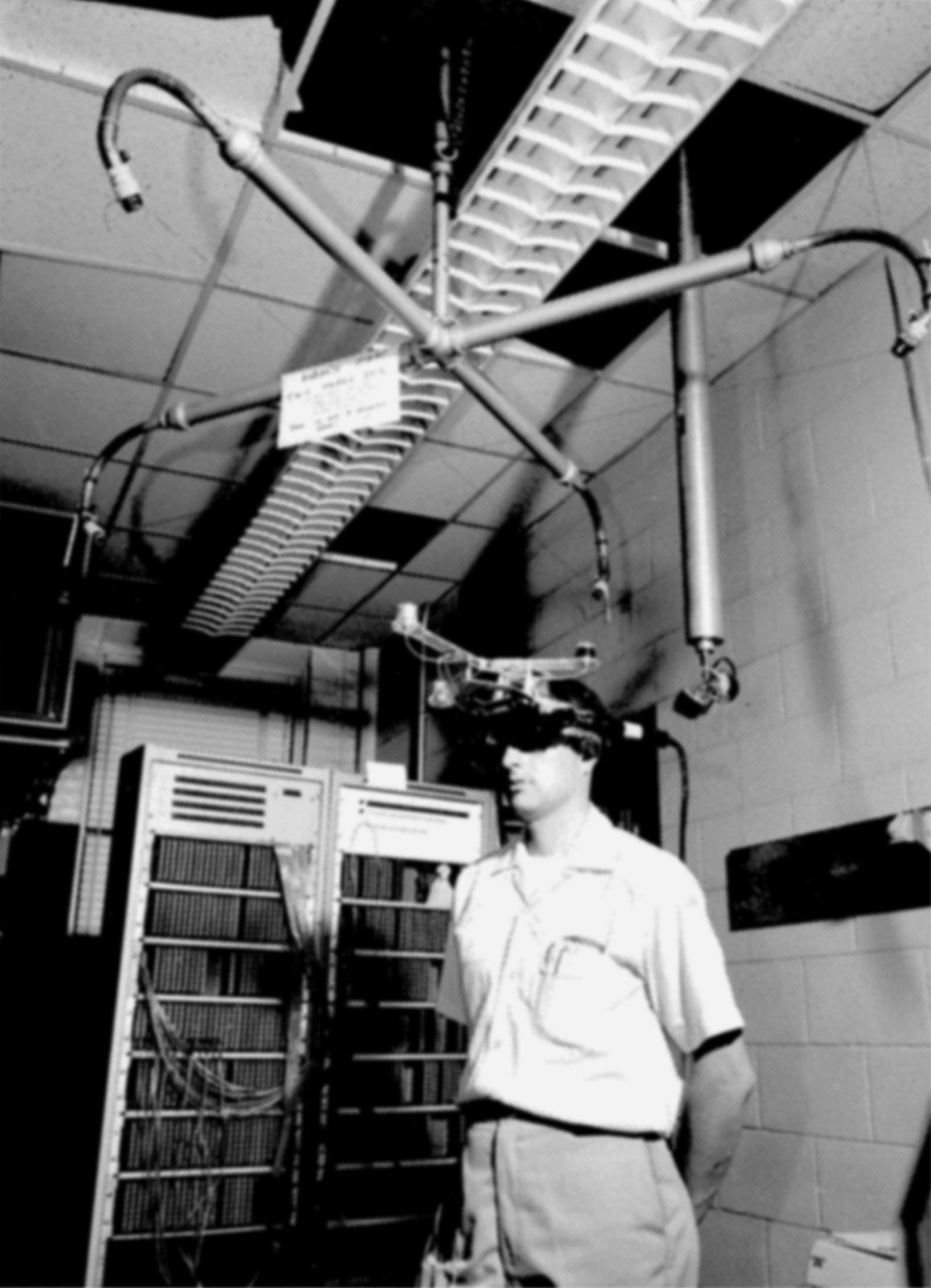
In virtual reality, stereoscopic screens create a three-dimensional view by leveraging the principles of binocular vision. Because human eyes are separated by approximately 2.5 inches, each eye perceives a scene from a slightly different angle, a phenomenon known as parallax.12
To replicate this in a virtual environment, the system generates two distinct images of the same scene, each rendered from the perspective of one eye. The virtual reality headset then acts as a viewing device, ensuring that the left-eye image is presented exclusively to the left eye and the right-eye image to the right eye.12
When these two disparate images reach the brain, they are fused into a single perception. The brain interprets the slight differences between these images—specifically the retinal disparity—as depth, creating an immediate and immersive three-dimensional effect. This process simulates how we perceive depth in the physical world, where the brain naturally combines separate visual inputs to interpret distances and spatial relationships.132