
Britannica
Sources used in this answer
How do steels differ from cast irons in carbon content?
Created from Britannica articles
using AI.
AI can make mistakes, so verify using Britannica articles.
iron processing
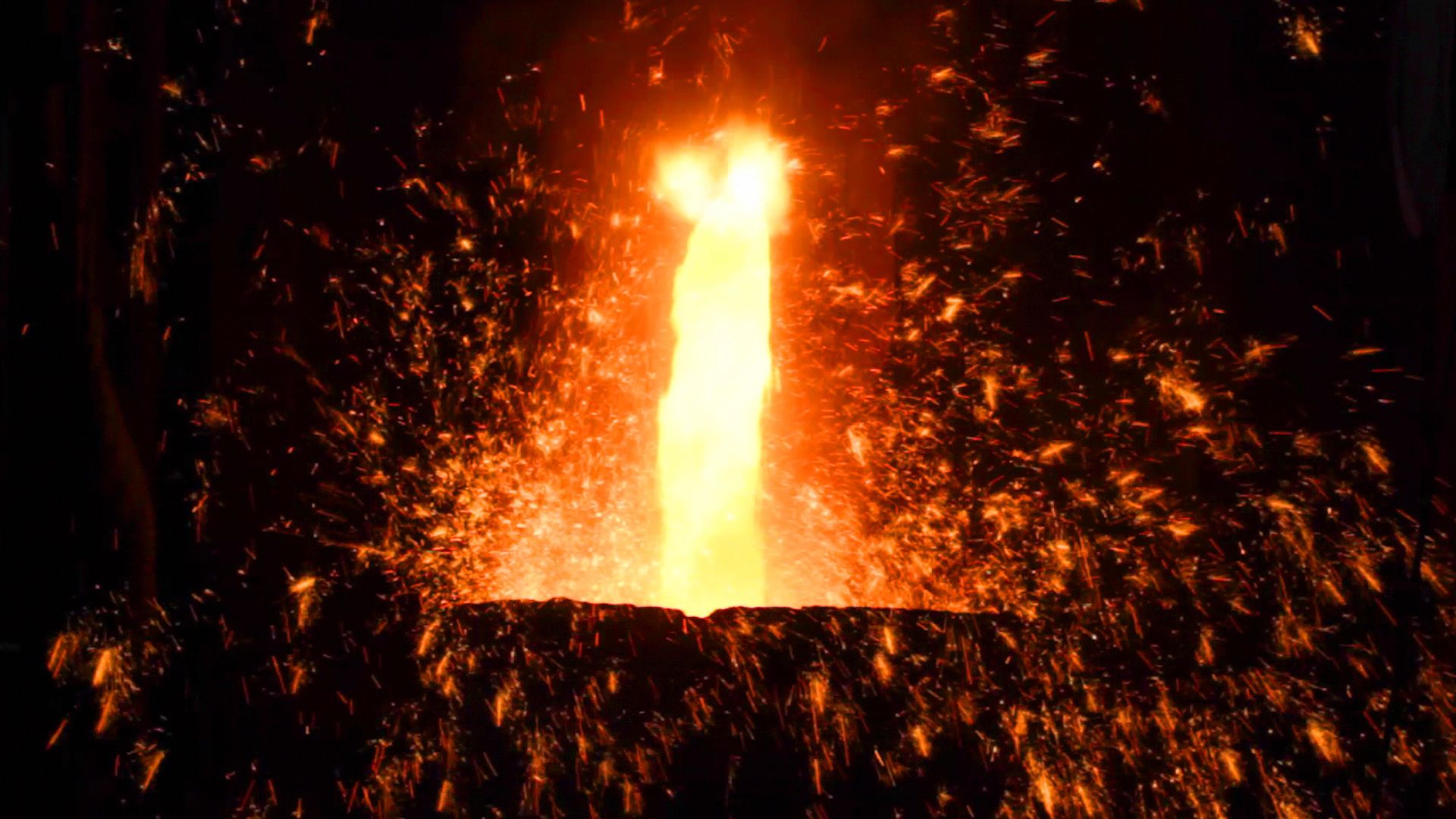
Iron ore is one of the most abundant elements on Earth, and one of its primary uses is in the production of steel. When combined with carbon, iron changes character completely and becomes the alloy steel.
The primary difference between steel and cast iron lies in their carbon content, which significantly influences their properties and processing temperatures.
- Steel: Generally contains lower amounts of carbon compared to cast iron. While carbon levels in steel can vary, they are typically well below the 2 percent threshold. By adding small, controlled amounts of carbon to pure iron, manufacturers can strengthen the material and convert it into a useful engineering alloy.1
- Cast Iron: Defined as an alloy of iron that contains between 2 and 4 percent carbon. Because of this higher carbon concentration, cast iron is processed at lower temperatures than steel.21
While steel is valued for its strength and versatility, cast iron is known for being more brittle and having lower tensile strength, though it remains useful for various industrial applications due to its castability.2