
How do motion sensors change a virtual reality display when a user moves?
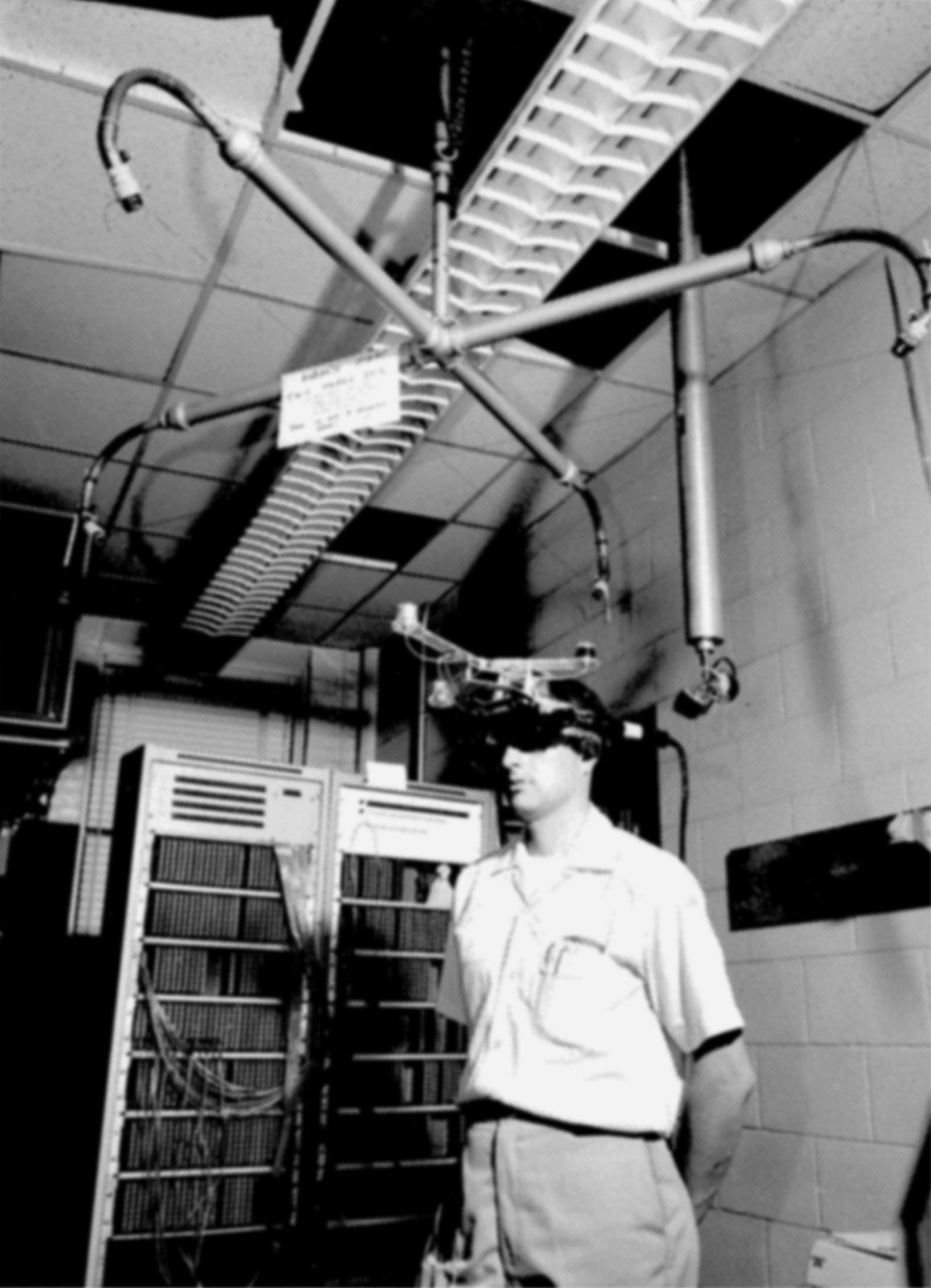
In virtual reality (VR), motion sensors are essential for creating the illusion of telepresence—the sense of "being there" within a computer-generated environment.1
When a user moves, these sensors detect the physical actions in real time and transmit that data to the system. The computer then processes this information to adjust the visual display on the user's headset or goggles accordingly. For example, as a user turns their head or takes steps, the system updates the perspective and viewpoint of the simulated environment to match those movements. This ensures that the visual feedback remains convincingly related to the user's physical actions, allowing them to navigate and interact with the virtual space as if they were moving through a real one.1