
How do hydroelectric power plants turn falling water into electricity?
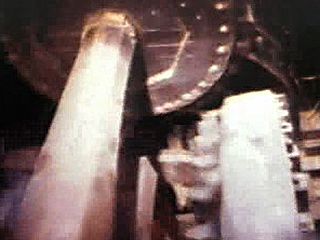
The ingenuity people used in harnessing waterpower can be seen in this medieval-style mill. The waterwheel is turned by a stream and is connected to a shaft that leads into the building. At the other end of the shaft is a gear. The connection of a series of gears translates the power from the stream to a shaft that drives a millstone, which grinds flour from grain.
(30 sec; 1.84MB)
Hydroelectric power plants generate electricity by converting the potential energy of water stored at a higher elevation into mechanical energy and, ultimately, into electricity.1
The process follows these key steps:
- Collection and Transport: Water is stored behind a dam to create a "head," which is the vertical distance between the water's surface and the turbines located below. The water is directed downward through large pipes or tunnels known as penstocks.1
- Energy Conversion: As the water flows down, it gains velocity. This falling water strikes the blades of a turbine, causing it to rotate. In impulse turbines, the water's head is first converted into kinetic energy via a nozzle before striking the turbine buckets.12
- Generation: The rotating turbine is connected to a generator, which converts the mechanical energy of the spinning turbine into electrical energy.1
- Transmission: Transformers then increase the voltage of the generated electricity to make it suitable for efficient long-distance transmission.1
This system is a reliable and renewable method of power generation, though it requires careful management of water flow to match varying electrical demands.1