
Britannica
Sources used in this answer
How do hot-blast stoves store and transfer heat to furnace air?
Created from Britannica articles
using AI.
AI can make mistakes, so verify using Britannica articles.
iron processing
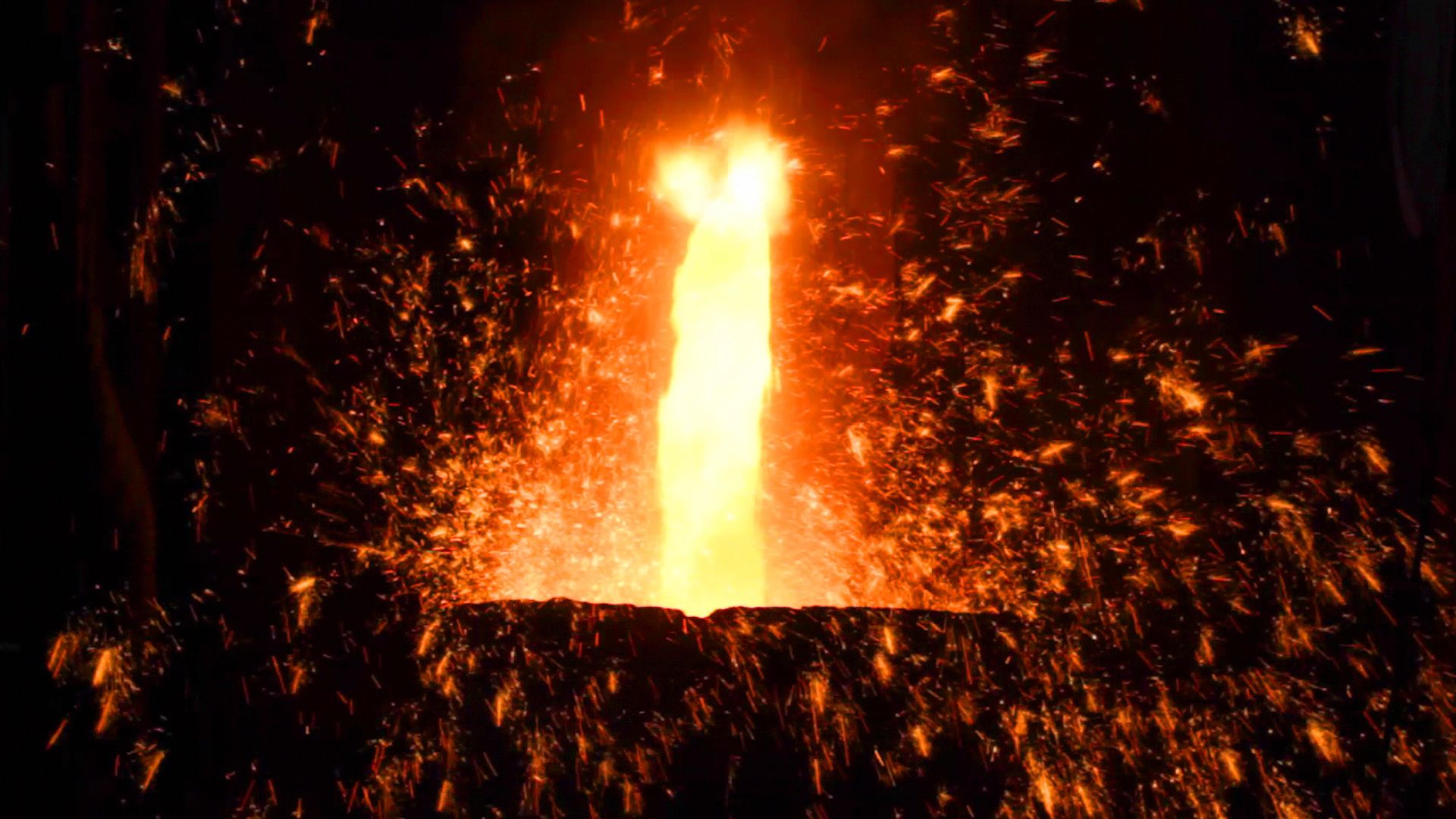
Iron ore is one of the most abundant elements on Earth, and one of its primary uses is in the production of steel. When combined with carbon, iron changes character completely and becomes the alloy steel.
Hot-blast stoves function as regenerative heat-storage devices that preheat the air used in iron processing to improve blast furnace efficiency.12
Each stove consists of a vertical steel shell lined with firebrick and divided into two primary sections: a combustion chamber and a regenerative chamber filled with a checkerwork of refractory bricks. The process operates in two distinct phases:12
- Heat Storage: Gases from the blast furnace and other fuel sources are burned within the combustion chamber. The resulting heat is absorbed by the checkerwork of firebricks in the regenerative chamber.12
- Heat Transfer: Once the stove reaches the required temperature, combustion is halted. Cold air is then blown through the regenerative chamber in the reverse direction. The heated checkerwork transfers its stored thermal energy to the air, which is then directed into the blast furnace through the tuyeres.2
To ensure a continuous supply of preheated air, multiple stoves are typically used in rotation, allowing some to store heat while another delivers it to the furnace.12