
How do electric generators convert mechanical energy into electric power?
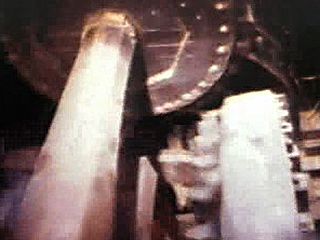
The ingenuity people used in harnessing waterpower can be seen in this medieval-style mill. The waterwheel is turned by a stream and is connected to a shaft that leads into the building. At the other end of the shaft is a gear. The connection of a series of gears translates the power from the stream to a shaft that drives a millstone, which grinds flour from grain.
(30 sec; 1.84MB)
An electric generator converts mechanical energy into electric power by utilizing the principle of electromagnetic induction. This process is based on Faraday’s law of induction, which states that an electromotive force is induced in a circuit when the magnetic flux linked with that circuit varies.12
In practice, a prime mover—such as a turbine driven by water, steam, or wind—provides mechanical power by rotating a shaft. This rotation moves conductors relative to a magnetic field, or vice versa, creating a changing magnetic flux. This variation in flux induces an electric current within the generator's coils, which is then transmitted as electric power.34156
The mechanical power input is determined by the shaft torque multiplied by its angular velocity. While designs vary, the fundamental mechanism remains the conversion of this rotational mechanical energy into electrical energy through the interaction of magnetic fields and conducting circuits.31