
How do bow thrusters help ships maneuver at low speeds?
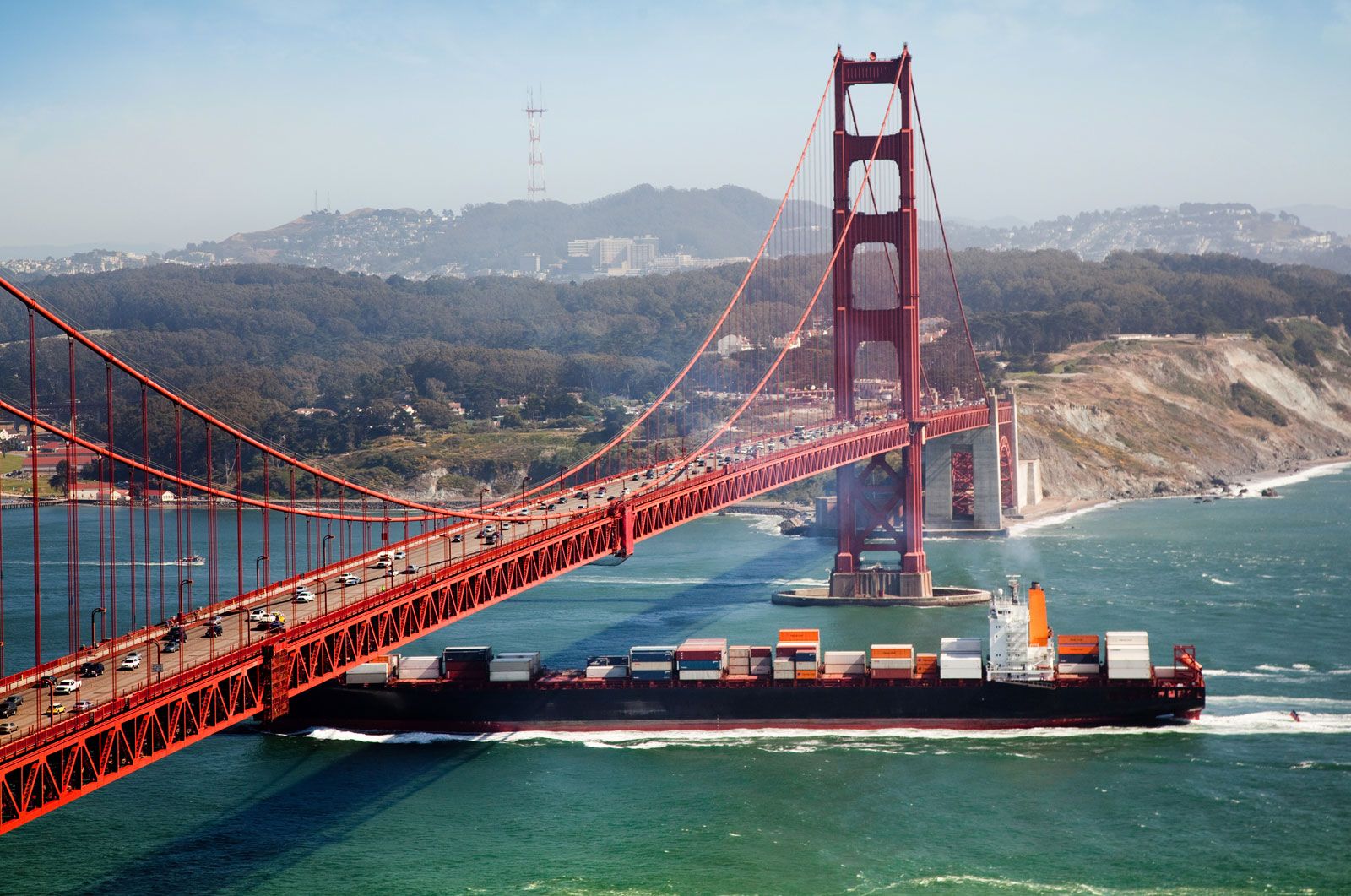
In naval architecture, maneuvering at very low speeds presents a challenge because a ship's rudder relies on water velocity to generate the lift necessary for steering. When a vessel is moving slowly, the rudder becomes ineffective.1
To address this, many ships are equipped with a bow thruster, which consists of a propeller mounted in a transverse tunnel near the bow. This device allows the ship to push its bow sideways without requiring forward motion. By providing lateral force independent of the ship's speed, the thruster significantly improves directional control in confined spaces, such as during docking or harbor navigation. If a vessel is equipped with both a bow thruster and a similar stern thruster, the ship can be propelled sideways or even rotated in place by operating the thrusters in opposite directions.12