
How did telepresence technology make remote robotic surgery possible?
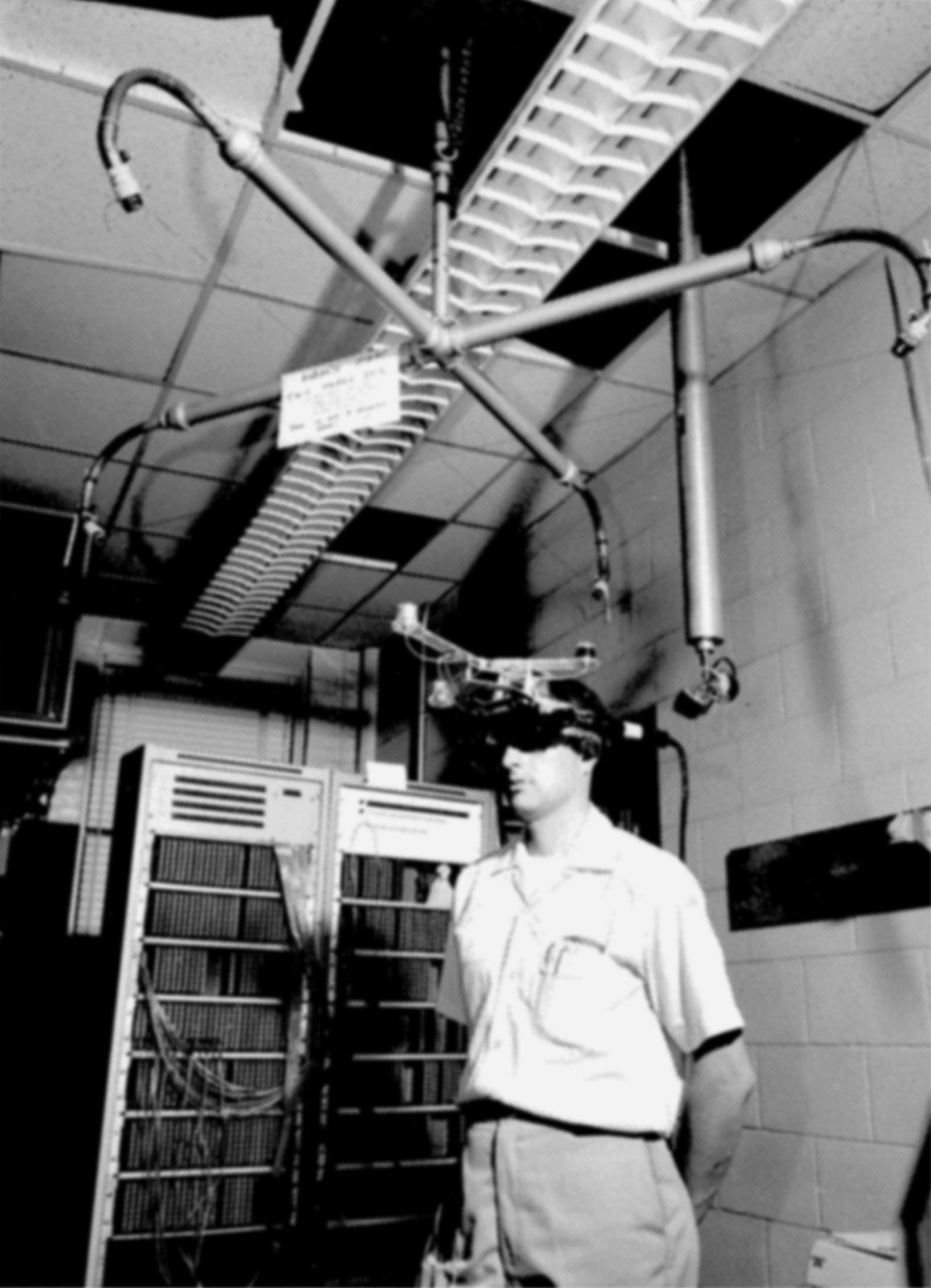
Telepresence technology enabled remote robotic surgery by creating a system where a surgeon’s movements are electronically transmitted to a robot, allowing them to perform procedures from a distance as if they were physically present at the operating site.1
This technology functions by linking a remote surgeon console to a robotic system positioned near the patient. Through "master controllers," the surgeon manipulates instruments that mimic human wrists, providing the dexterity required for complex tasks. To bridge the physical gap, computer processing links the surgeon's movements to the robotic arms while recreating a three-dimensional view of the surgical field on a monitor.2
Key components that made this possible include:
* Sensory Feedback: The integration of high-level sensory feedback that matches a surgeon’s fine motor control and hand-eye coordination.3
* Minimally Invasive Integration: The ability to use microcameras and endoscopic devices to relay real-time images, allowing surgeons to operate through small incisions.23
* Motion Scaling: The robotic system eliminates unwanted tremors by scaling the surgeon's movements, improving precision in tight spaces.2
While early initiatives by NASA and DARPA explored these concepts for space and battlefield applications, the technology eventually evolved into systems like the da Vinci Surgical System, which successfully integrated these telepresence capabilities into clinical practice.23