
Britannica
Sources used in this answer
How did social interaction between players make SIMNET useful for military training?
Created from Britannica articles
using AI.
AI can make mistakes, so verify using Britannica articles.
virtual reality
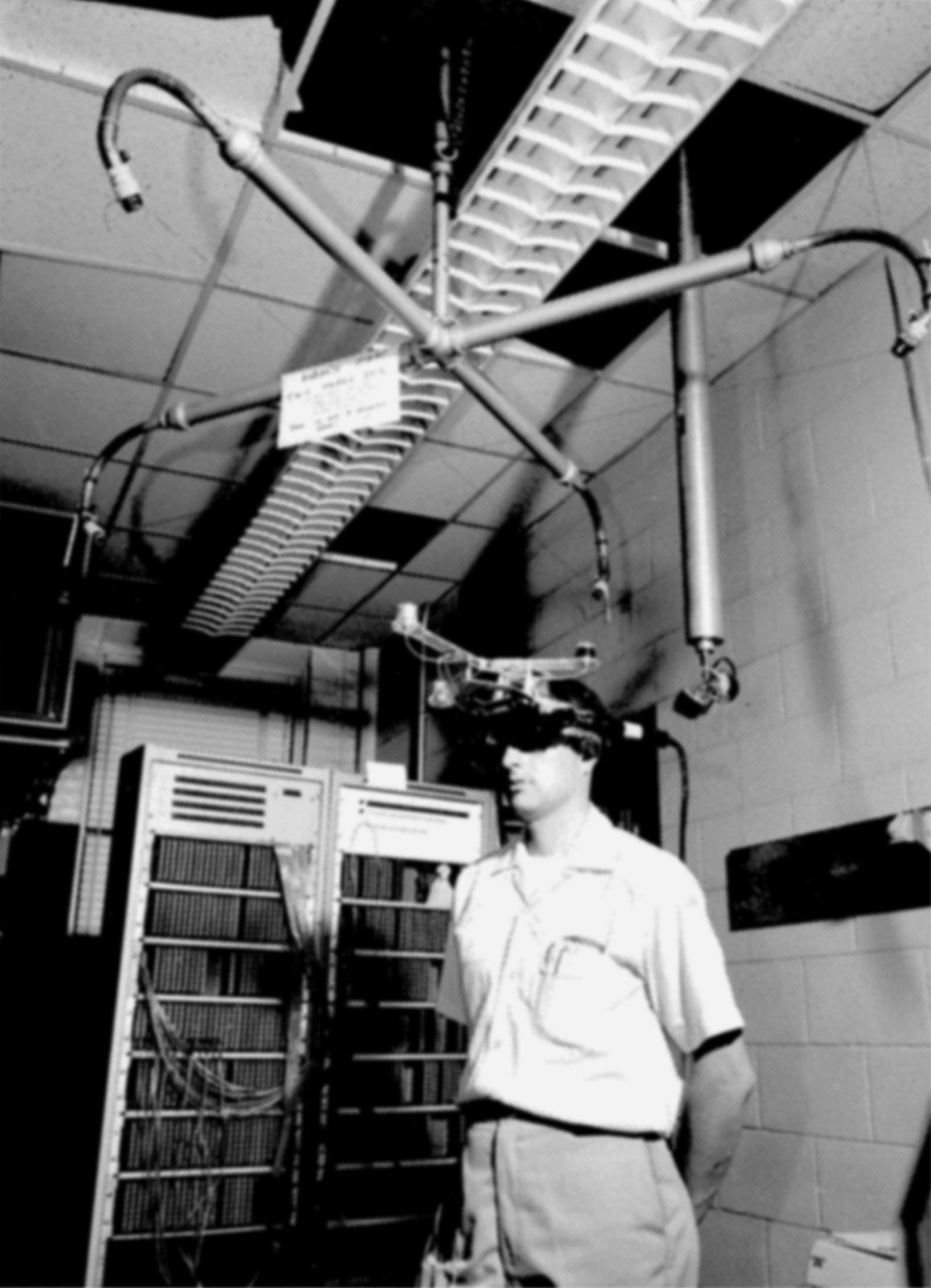
Early head-mounted display device developed by Ivan Sutherland at Harvard University, c. 1967.
The SIMNET (SIMulator NETworking) project revolutionized military training by shifting the focus from individual simulator performance to collective, networked interaction. Its utility in military training was significantly enhanced by social interaction in the following ways:
- Emergent Behavior: By linking simulators together, SIMNET allowed for complex aspects of a virtual world to emerge from the social interactions between participants. These behaviors were not explicitly programmed into the computer-generated environment, providing a more realistic and unpredictable training experience than stand-alone systems.1
- Collective Training: The network facilitated interactions that were of greater relevance to collective training than any individual station could provide. Because the training objectives prioritized command and control, the system emphasized the psychological and operational dynamics of battle over mere physical fidelity.1
- Player-versus-Player Dynamics: SIMNET established that player-versus-player interactions were as critical to the training environment as player-versus-environment interactions. This social dimension allowed military personnel to practice coordination, communication, and tactical decision-making in a shared, responsive virtual space.1