
Britannica
Sources used in this answer
How did shipboard launches and longboats assist larger ships?
Created from Britannica articles
using AI.
AI can make mistakes, so verify using Britannica articles.
boat
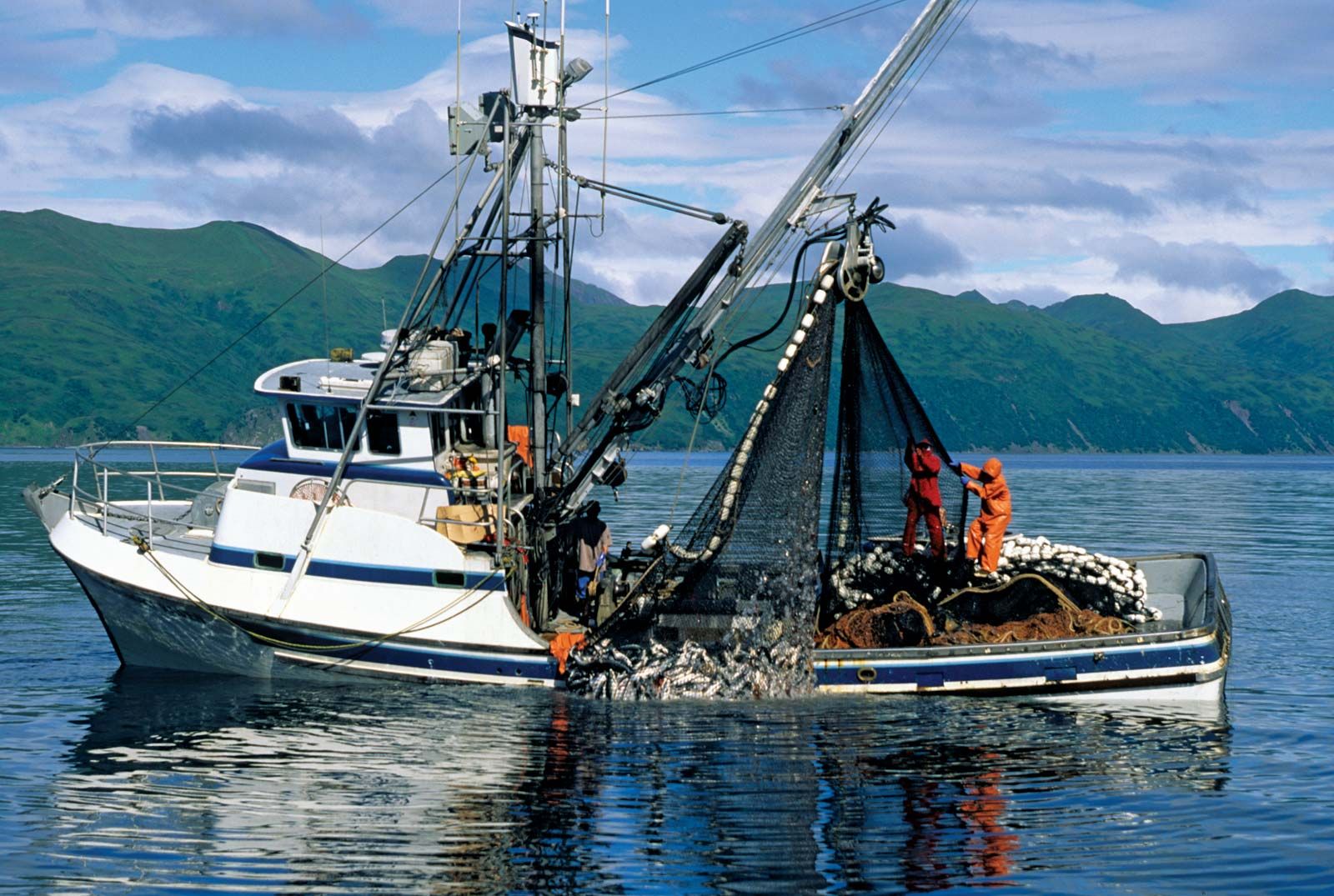
A commercial salmon-fishing boat in Alaska.
Shipboard launches and longboats served as essential auxiliary craft for larger vessels, providing critical support for operations that the mother ship could not perform directly. As the largest boats carried on shipboard, they were specifically designed to be robust and capable of handling heavy tasks.12
Their primary functions included:
- Logistical Support: They were used to transport heavy equipment, such as anchors, cannons, and other substantial objects, between the ship and the shore or other vessels.12
- Personnel Transport: These boats were capable of carrying large numbers of men, facilitating the movement of crews and troops.1
- Operational Versatility: Historically, they were often armed and deployed as independent craft from warships. In harbor settings, they were vital for general transportation and rescue work.12
While originally powered by oars or sails, the evolution of technology saw these boats transition into self-propelled motor vessels, continuing their role as indispensable tools for maritime efficiency and safety.12