
Britannica
Sources used in this answer
How did rafts develop in places without suitable timber?
Created from Britannica articles
using AI.
AI can make mistakes, so verify using Britannica articles.
boat
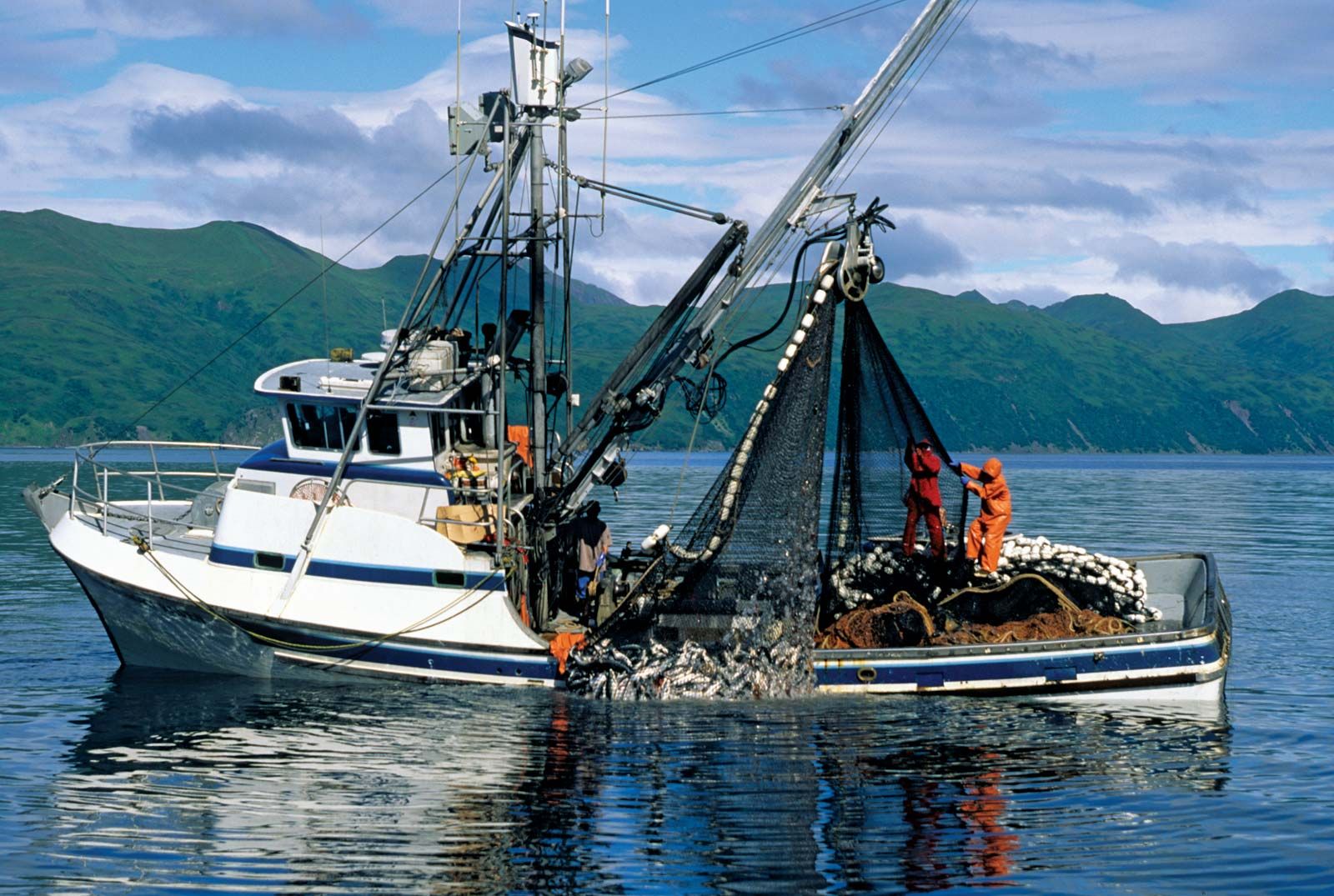
A commercial salmon-fishing boat in Alaska.
In regions lacking suitable timber, early watercraft were developed using alternative buoyant materials. Rather than relying on logs, builders utilized bundles of reeds lashed together to create floating platforms. These reed rafts were often shaped with a rudimentary bow and sides to improve their utility.12
Beyond reed-based designs, other materials were adapted to overcome the scarcity of wood:
- Skin Craft: In areas where timber was unavailable, such as the American Arctic, people developed skin boats. These involved stretching animal skins over a rigid frame of ribs and longitudinals secured by lashings or pegs. In some cases, inflated skins were joined together to form a raft.3
- Bark Craft: In regions with access to flexible bark, such as the birchbark canoe of North America, builders used bark covers supported by internal framing.3
These innovations demonstrate how human ingenuity allowed for the creation of effective watercraft by utilizing locally available natural resources when traditional timber was not an option.13