
Britannica
Sources used in this answer
How did northern European clinker construction differ from Mediterranean carvel construction?
Created from Britannica articles
using AI.
AI can make mistakes, so verify using Britannica articles.
boat
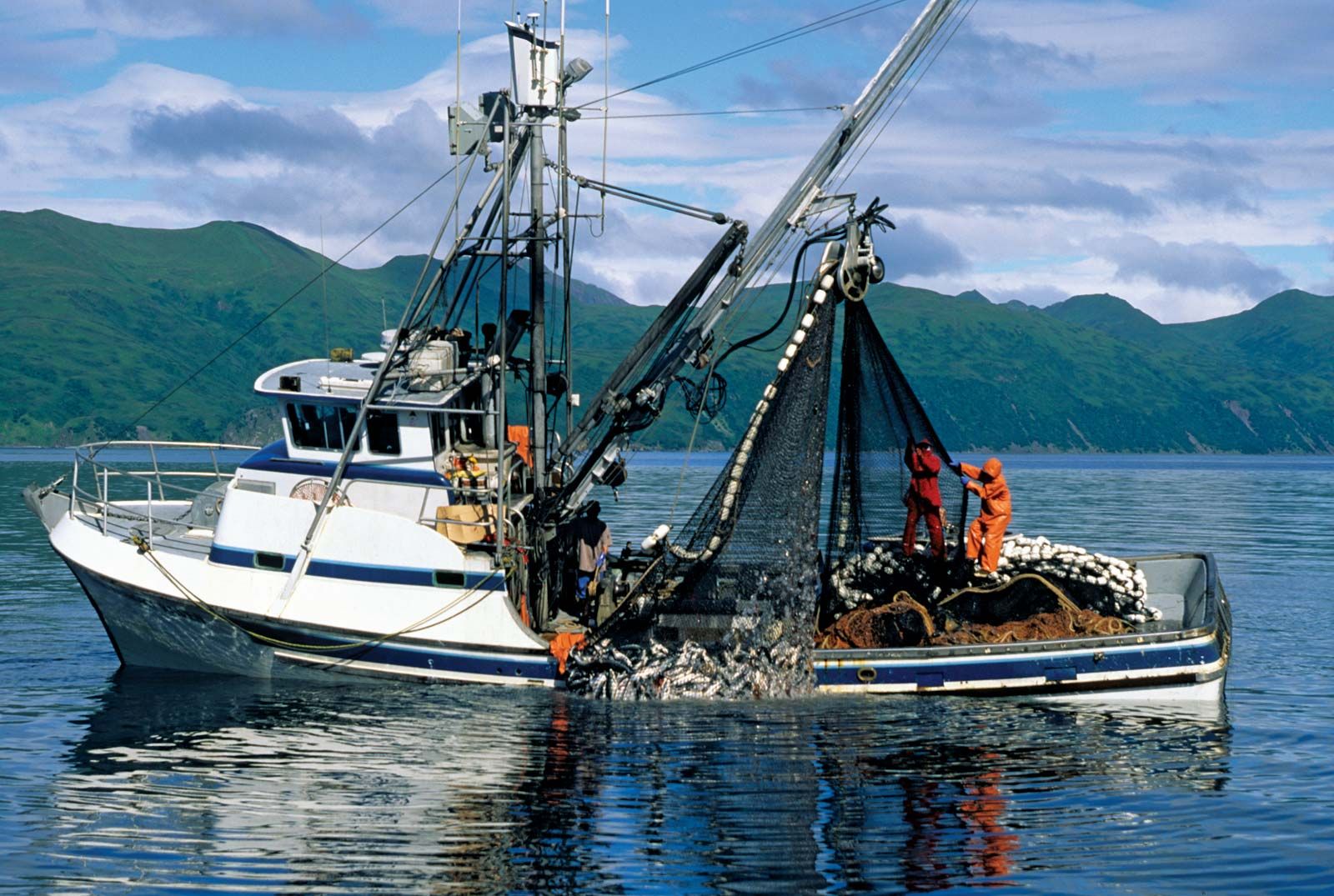
A commercial salmon-fishing boat in Alaska.
Northern European clinker construction and Mediterranean carvel construction represent two distinct approaches to ship construction that evolved to meet different environmental demands.
- Clinker Construction: Characteristic of northern waters, this method involves overlapping planks, which were historically joined by sewing. This technique provided the structural strength necessary for navigating stormy seas, though it offered less efficient streamlining than carvel-built vessels.1
- Carvel Construction: Common in the Mediterranean, this method features planks fitted edge-to-edge against a pre-built framework. While this results in a smooth, well-streamlined hull, the process requires more precision and skilled labor. Furthermore, carvel hulls are generally more susceptible to weakness and leakage when subjected to heavy seas.2
In essence, while carvel construction prioritized a smooth, hydrodynamic surface, clinker construction prioritized the rugged durability required for the challenging conditions of northern maritime environments.21