
Britannica
Sources used in this answer
How did neglected stepwells become polluted or damaged?
Created from Britannica articles
using AI.
AI can make mistakes, so verify using Britannica articles.
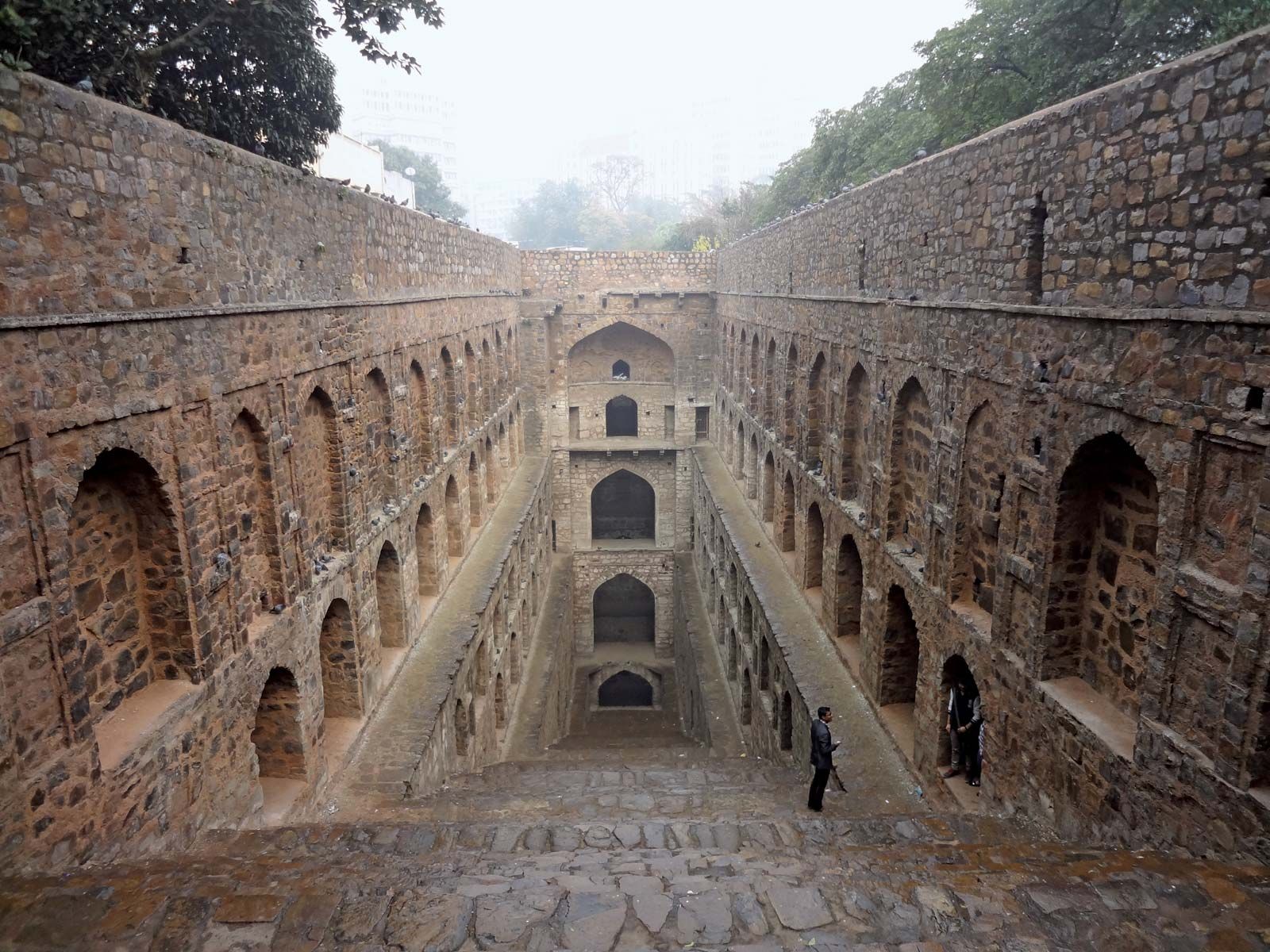
stepwell
Agrasen ki Baoli, Delhi, India.
Neglected stepwells became polluted and damaged primarily due to a loss of utility and community oversight. As modernization introduced new water sources like village taps, plumbing, and tanks, the original purpose of stepwells vanished, leading local communities to abandon their upkeep.1
Once neglected, these structures suffered in several ways:
- Pollution: Many stepwells were repurposed as garbage dumps or latrines. When water remained, it often became fouled by trash or overgrown with vegetation due to a lack of maintenance.1
- Physical Damage: Without regular care, the structures began to crumble. Some were mined for their stone, while others were used as storage areas.1
- Intentional Destruction: During the period of British rule (1858–1947), many stepwells were deliberately destroyed, barricaded, or filled in because they were perceived as unhygienic breeding grounds for disease and parasites.1
- Environmental Factors: The depletion of groundwater through unregulated pumping caused many wells to dry up, while others suffered from structural instability, such as treacherous or collapsing stairs.1