
Britannica
Sources used in this answer
How did location-based virtual reality entertainment differ from personal virtual reality systems?
Created from Britannica articles
using AI.
AI can make mistakes, so verify using Britannica articles.
virtual reality
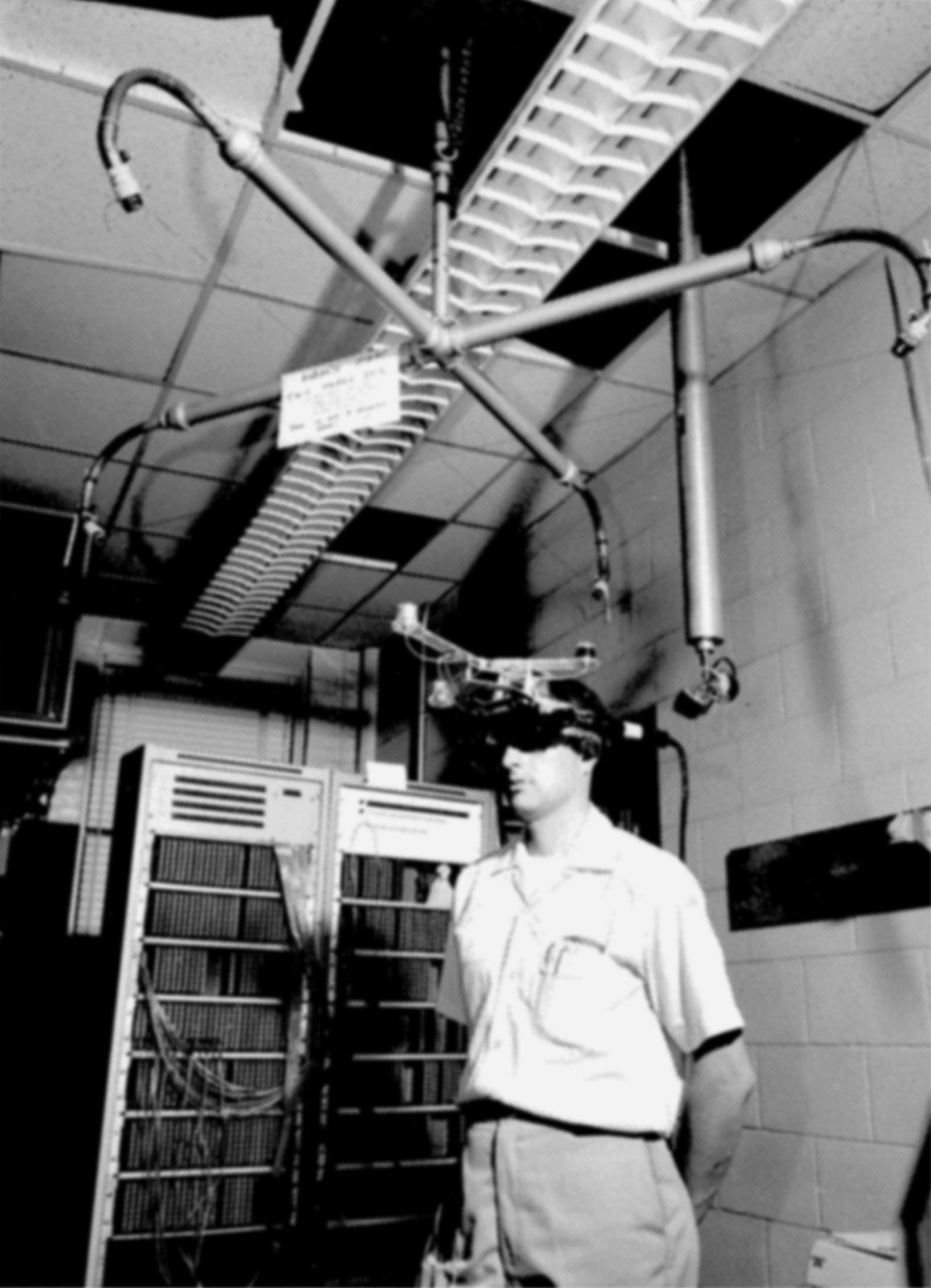
Early head-mounted display device developed by Ivan Sutherland at Harvard University, c. 1967.
Location-based virtual reality (VR) entertainment and personal VR systems differed primarily in their design, scale, and intended user experience.
While personal VR systems—such as those developed by VPL Research or scaled-down versions for personal computers—aimed to bring immersive technology into the home, they struggled to achieve broad appeal in the early 1990s. In contrast, location-based entertainment systems were more successfully marketed and widely visible during that period.1
Key differences included:
- Design and Immersion: Location-based systems were designed by teams from the movie, theme park, and simulation industries. They combined video game attributes with amusement park rides and highly immersive storytelling. Examples like BattleTech centers utilized physical "pods" or cockpits to enhance the user's sense of presence, whereas personal systems relied on standard configurations like head-mounted displays and data gloves.1
- Infrastructure: Location-based VR often featured specialized physical architecture, such as networked high-speed environments or motion-simulator theaters, which were too complex or expensive for home use.1
- Purpose: These venues focused on creating a shared, competitive, or narrative-driven experience within a dedicated space, whereas personal systems were intended for individual use and were often limited by the hardware capabilities available to consumers at the time.1