
Britannica
Sources used in this answer
How did falling groundwater levels affect stepwells?
Created from Britannica articles
using AI.
AI can make mistakes, so verify using Britannica articles.
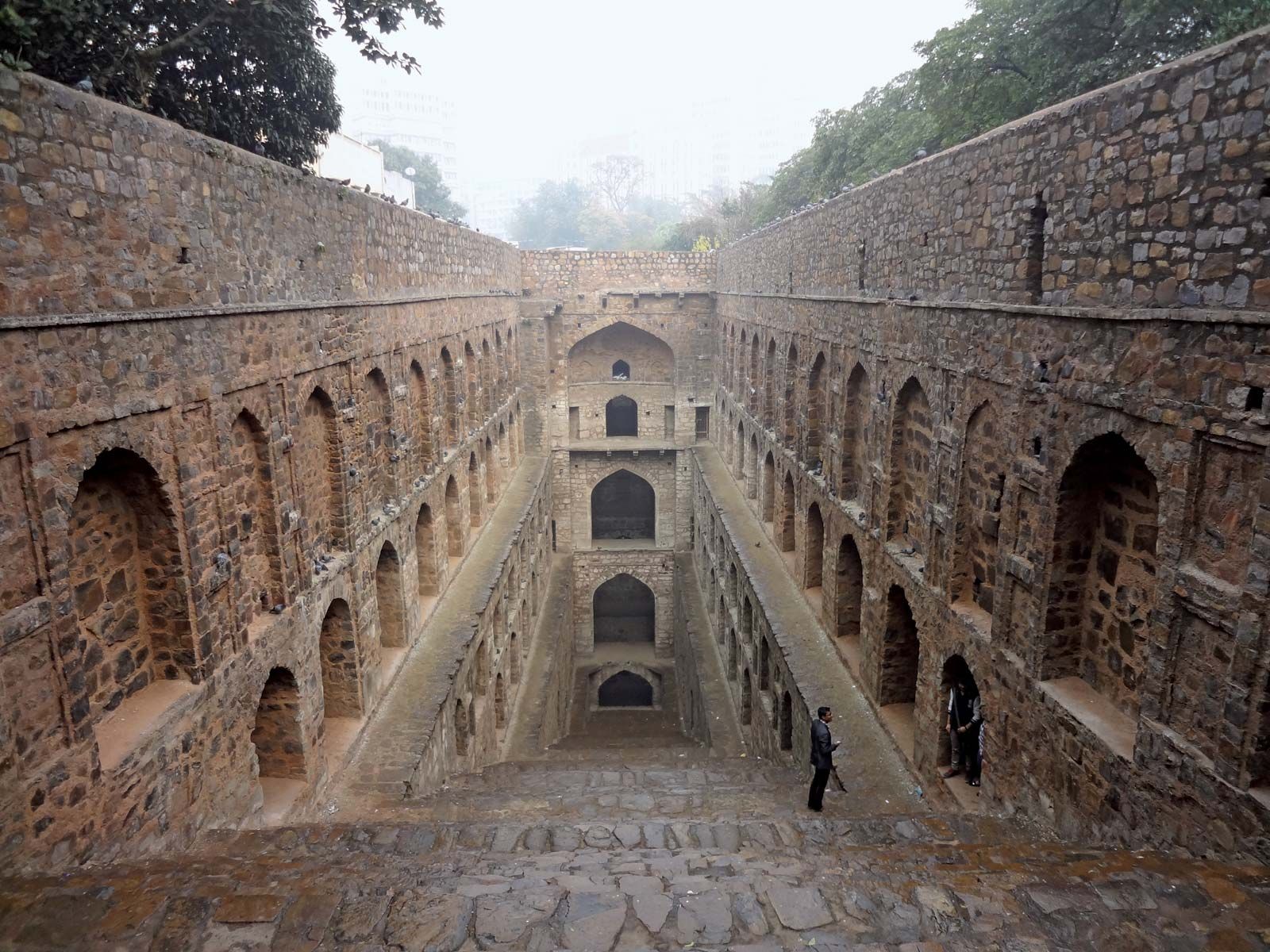
stepwell
Agrasen ki Baoli, Delhi, India.
Falling groundwater levels, largely caused by unregulated pumping, have had a detrimental impact on stepwells. As these subterranean water sources dried up, they lost their primary functional purpose, leading local communities to neglect their maintenance.1
This abandonment resulted in several negative consequences for these architectural structures:
- Physical Decay: Without upkeep, many stepwells began to silt up, crumble into ruin, or face structural instability.1
- Misuse: Neglected wells were often repurposed as garbage dumps, latrines, or storage areas, and some were even mined for their stone.1
- Environmental Hazards: When water remained, it was frequently fouled by refuse or overgrown with vegetation due to a lack of attention.1
While the depletion of groundwater contributed to their obsolescence, the current water crisis in India has sparked renewed interest in these structures. Efforts are now underway to de-silt and reactivate some wells to serve once again as functional water collection and storage systems.1