
How did Thomas Furness's Super Cockpit project help pilots process flight information?
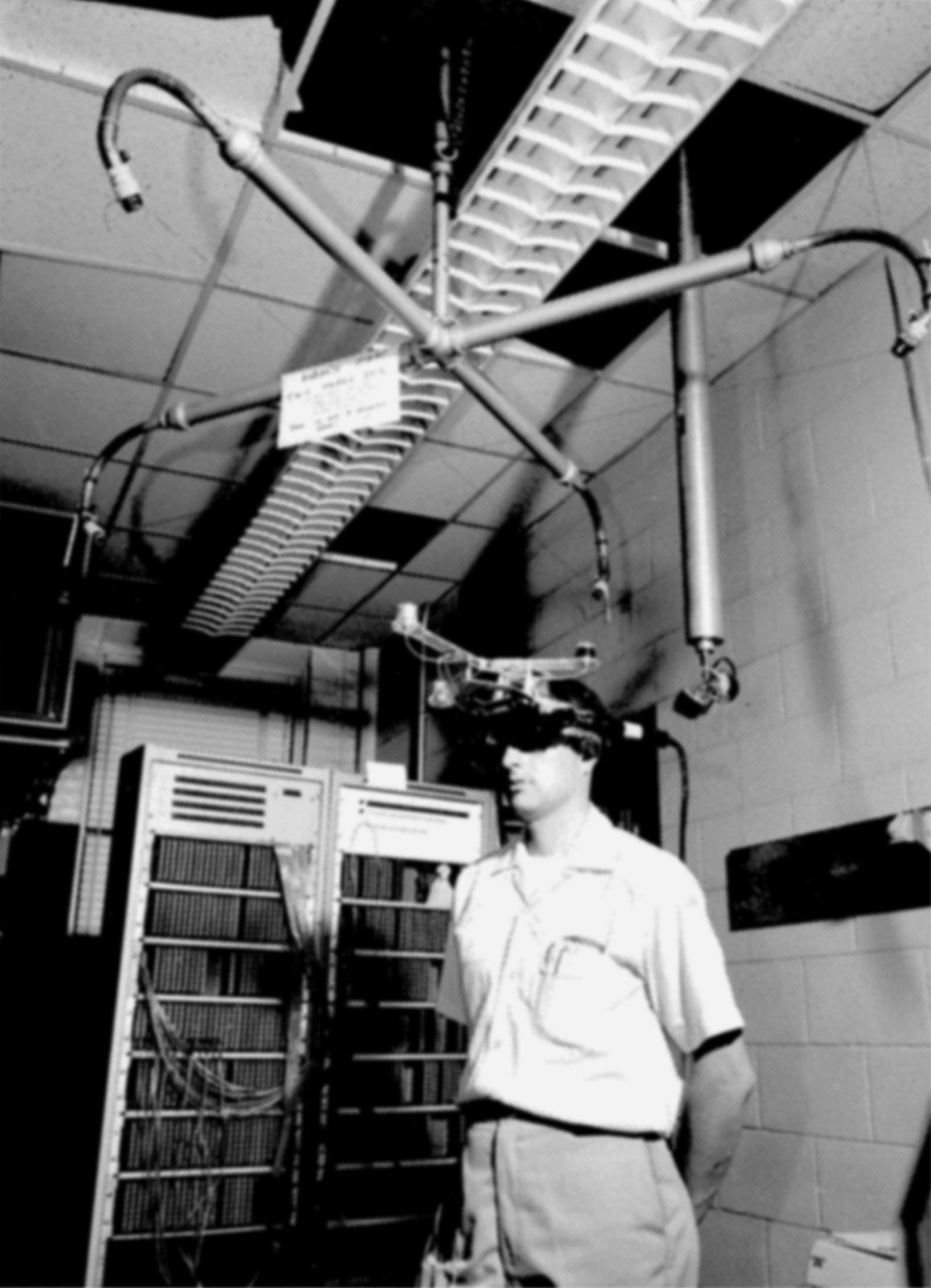
Thomas Furness’s Super Cockpit program helped pilots process flight information by presenting data in a way that leveraged the human brain's natural perceptual mechanisms.1
By utilizing a head-mounted display (HMD), the system projected complex information—such as computer-generated 3-D maps, radar and infrared imagery, and avionics data—into an immersive, 3-D virtual space that pilots could see and hear in real time. This approach allowed pilots to effectively "fly through data," which simplified the cockpit by reducing the number of physical controls required. Furthermore, the system incorporated voice-actuated controls, sensors, and eye-tracking technology, enabling pilots to manage the aircraft through natural gestures, utterances, and eye movements. By translating immersion in a data-rich virtual environment into intuitive control modalities, the Super Cockpit realized the concept of man-machine symbiosis.1