
Britannica
Sources used in this answer
How did SIMNET connect military simulators for collective training?
Created from Britannica articles
using AI.
AI can make mistakes, so verify using Britannica articles.
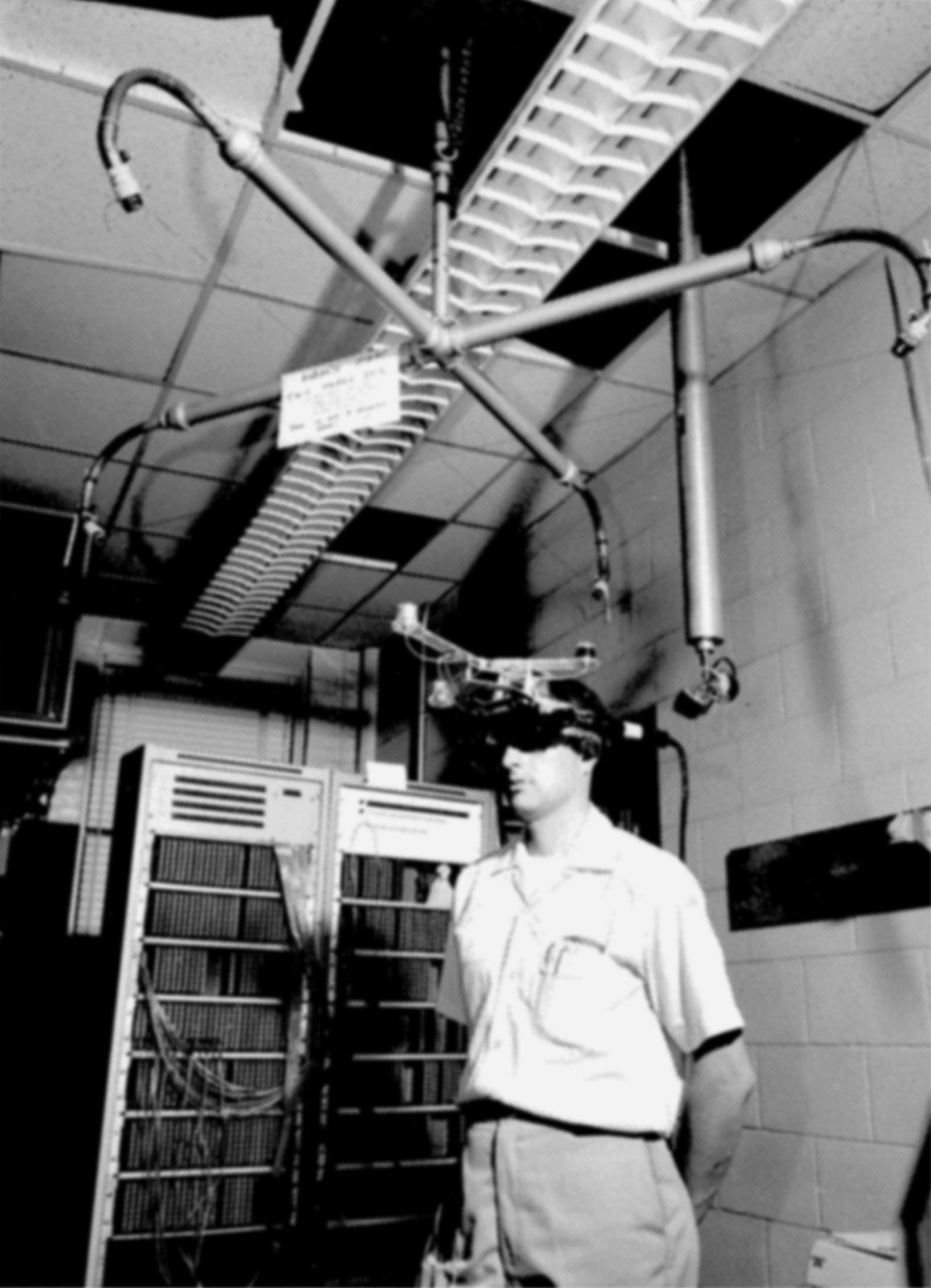
virtual reality
Early head-mounted display device developed by Ivan Sutherland at Harvard University, c. 1967.
The SIMNET (SIMulator NETworking) project, initiated in 1983 by DARPA, revolutionized military training by linking individual simulators—such as those for helicopters and armored vehicles—into a cohesive, networked virtual environment.1
Unlike previous stand-alone systems, SIMNET connected these simulators to facilitate collective training through two primary design innovations:
- Focus on Effect over Fidelity: Because the project prioritized command and control objectives, it emphasized operational and psychological realism rather than perfect physical fidelity. This allowed for selective verisimilitude in cabinet design and computer-generated imagery, making the system more efficient for large-scale training.1
- Social Interaction: By linking the simulators, the system created a network of social interactions between participants. These emergent behaviors—where player-versus-player interactions became as significant as player-versus-environment scenarios—provided a level of training relevance that individual stations could not achieve alone.1
This approach established a foundation for future distributed simulations, eventually leading to the development of standardized protocols for Distributed Interactive Simulation in the 1990s.1