
How did NASA support early virtual reality research?
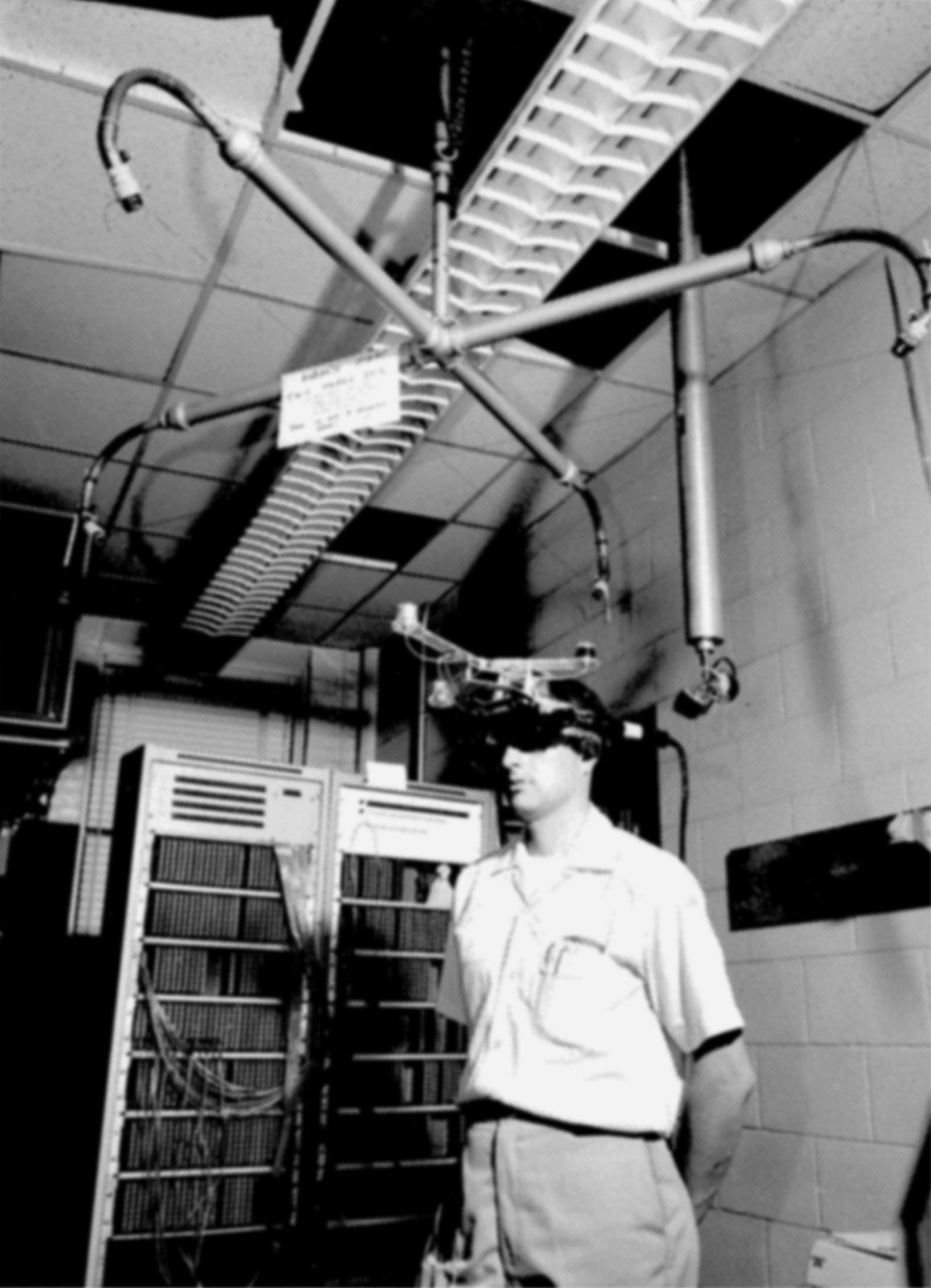
NASA played a pivotal role in the development of early virtual reality (VR) technology by funding research and establishing key laboratory environments that bridged academic and commercial efforts.1
A primary contribution was the establishment of the Virtual Environment Workstation (VIEW) project at the NASA Ames Research Center in 1985, directed by Scott Fisher. This project aimed to develop low-cost, personal simulation environments for telerobotics, which were intended for use in automated space stations and future planetary exploration.2
The VIEW project successfully integrated a standard suite of VR technologies into a single workstation, known as the Virtual Visual Environment Display. This system included:
* Stereoscopic head-coupled displays
* Head trackers
* Speech recognition
* Computer-generated imagery
* Data gloves
* 3-D audio technology2
Beyond its primary focus on space exploration, the NASA group also explored the potential for these workstations in scientific, educational, and entertainment applications, helping to set the technological standards for the nascent VR industry.12