
How did Mark Weiser's idea of ubiquitous computing differ from putting users inside virtual reality systems?
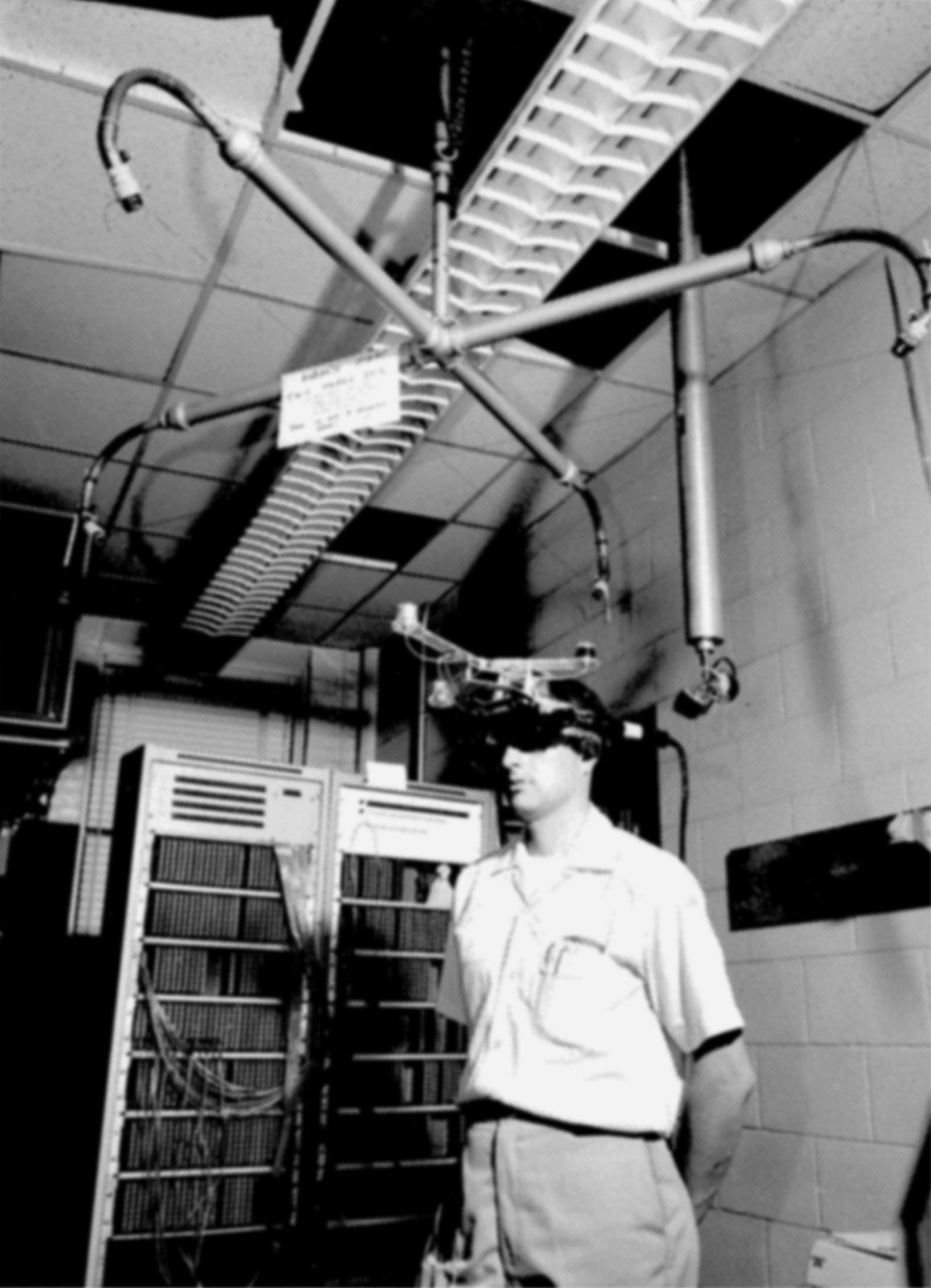
Mark Weiser’s vision of ubiquitous computing differed fundamentally from virtual reality (VR) in its approach to the relationship between humans and technology.
While VR systems of the 1980s and 1990s sought to place users inside a computer by immersing them in artificial, simulated environments through bulky headsets and sensory devices, Weiser’s research program at Xerox PARC aimed to do the opposite: introduce computers into the human world.1
Weiser argued that the most profound technologies are those that disappear by weaving themselves into the fabric of everyday life until they are indistinguishable from it. Instead of isolating users within a digital simulation, ubiquitous computing proposed embedding microprocessors into the physical environment and wearable devices. By making technology invisible, natural, and responsive to normal patterns of human behavior, Weiser sought to inaugurate an era of "calm technology" where computers would support human needs without requiring the user's constant, conscious attention.12