
Britannica
Sources used in this answer
How did Hindu stepwells function as underground temples?
Created from Britannica articles
using AI.
AI can make mistakes, so verify using Britannica articles.
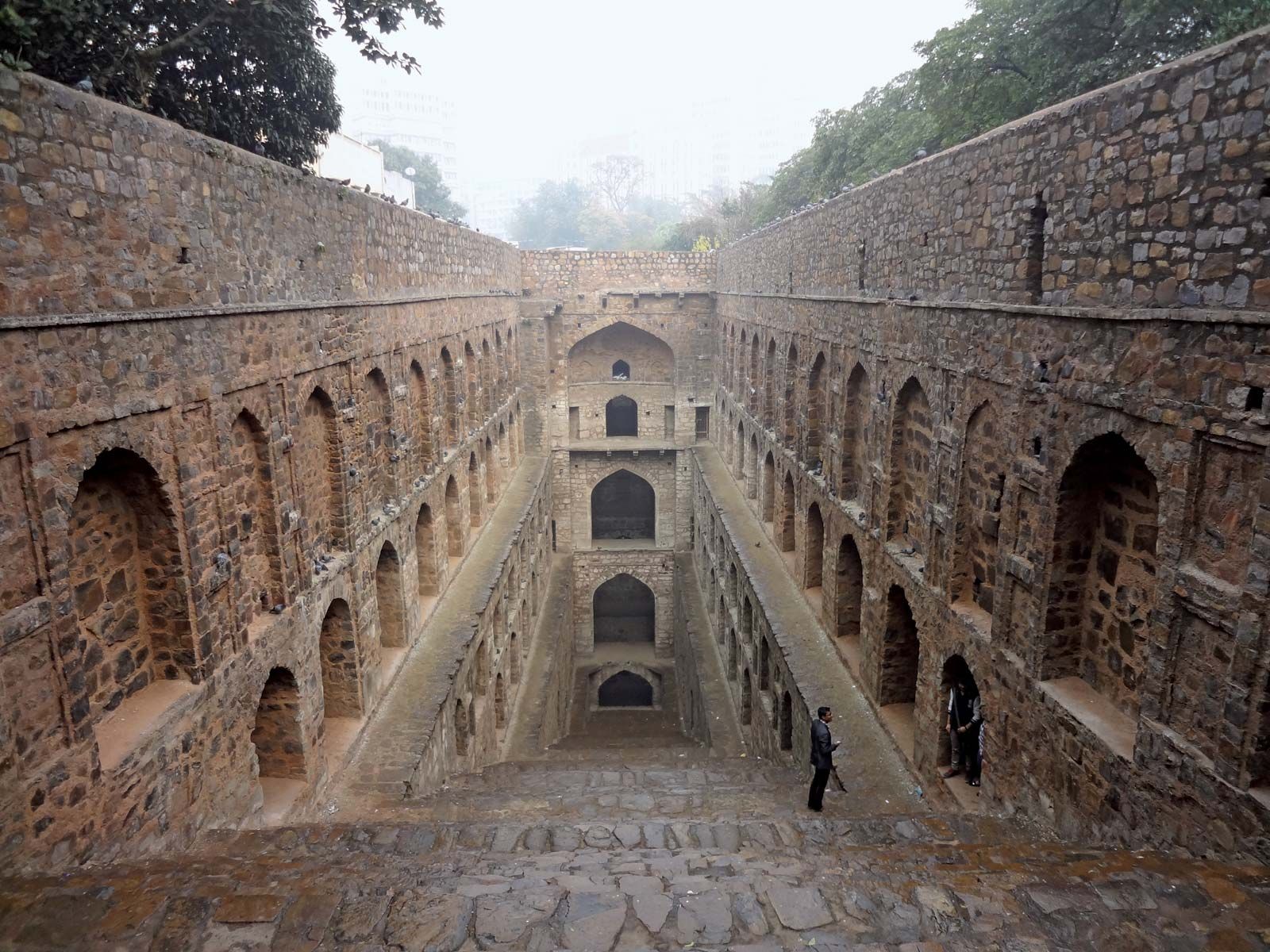
stepwell
Agrasen ki Baoli, Delhi, India.
Hindu stepwells functioned as subterranean temples by integrating sacred art and ritual spaces directly into their architectural design. These structures were often adorned with carved images of male and female deities, which served as a spiritual backdrop for religious activities such as prayers, offerings, and ritual bathing.1
The design of these stepwells facilitated their role as active places of worship through:
- Sacred Imagery: The presence of intricate stone carvings of deities transformed the utilitarian water source into a site of religious significance.1
- Ritual Spaces: The steps, pavilions, and ledges provided areas for pilgrims and locals to perform devotional acts.1
- Active Worship: Even in instances where groundwater is no longer accessible, some stepwells continue to function as active temples today, such as the 11th-century Mata Bhavani Vav in Ahmadabad.1
By combining engineering with religious devotion, these stepwells served as both vital water sources and earthbound bastions of spiritual life.1