
Britannica
Sources used in this answer
How did Henry Bessemer’s converter produce steel from molten pig iron?
Created from Britannica articles
using AI.
AI can make mistakes, so verify using Britannica articles.
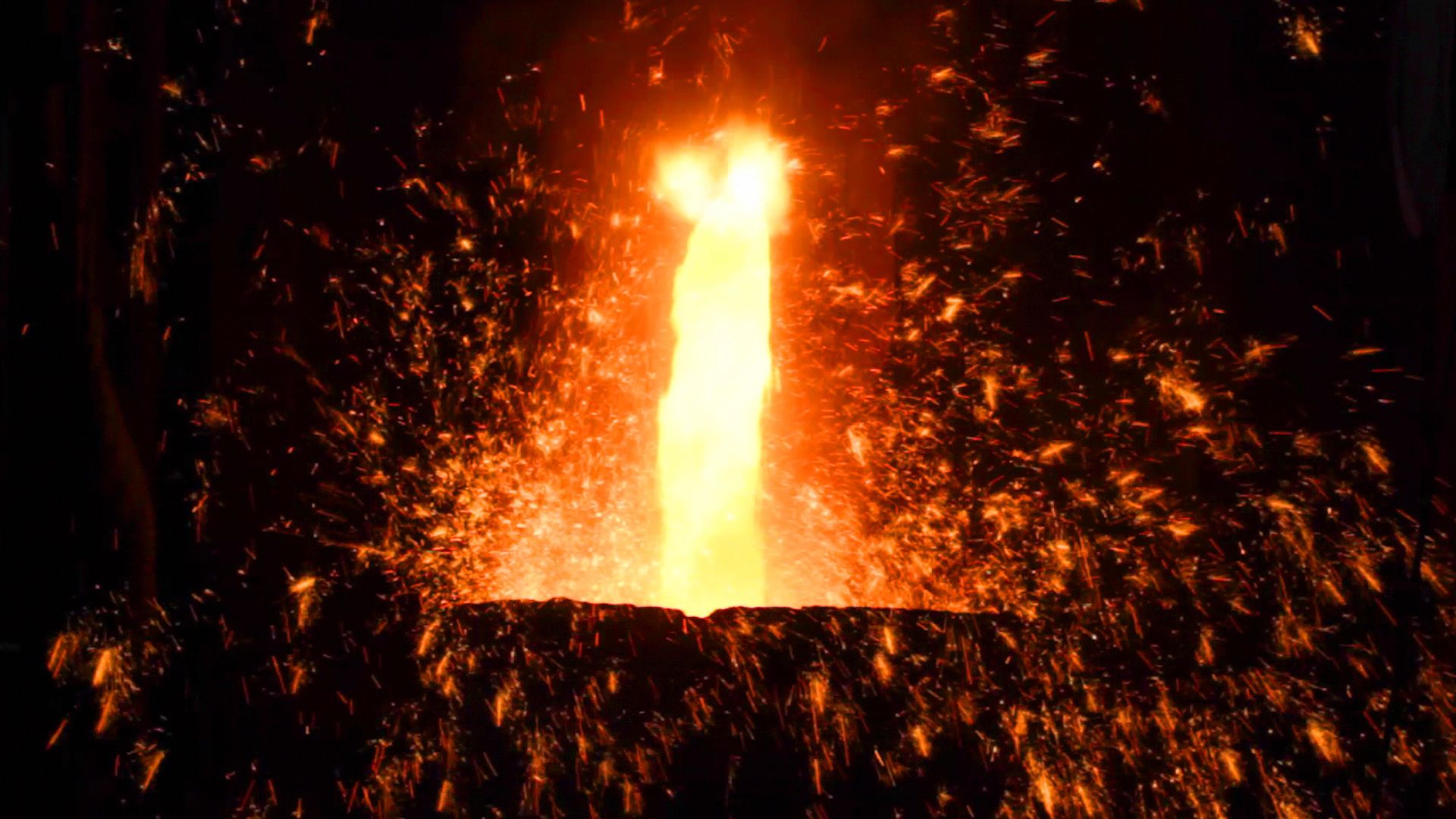
iron processing
Iron ore is one of the most abundant elements on Earth, and one of its primary uses is in the production of steel. When combined with carbon, iron changes character completely and becomes the alloy steel.
The Bessemer process revolutionized steel production by using a pear-shaped Bessemer converter to remove impurities from molten pig iron.12
The process functioned through the following mechanism:
- Air Injection: Air was blown into the molten iron through openings called tuyeres located at the bottom of the vessel.12
- Oxidation: The oxygen in the air reacted with impurities such as silicon, manganese, and carbon. Silicon and manganese formed oxides that were removed as slag, while carbon was expelled as gas.1
- Heat Generation: The oxidation reactions were exothermic, releasing enough heat to keep the metal molten throughout the process without requiring additional fuel.12
- Refinement: Once the blowing was complete, an alloy of carbon, manganese, and iron was typically added to restore the desired carbon content and neutralize remaining impurities.1
This method allowed for the rapid, mass production of steel, though it initially struggled with iron ores high in phosphorus until the introduction of basic-lined converters.12