
How did Abraham Darby’s use of coke affect iron production in England?
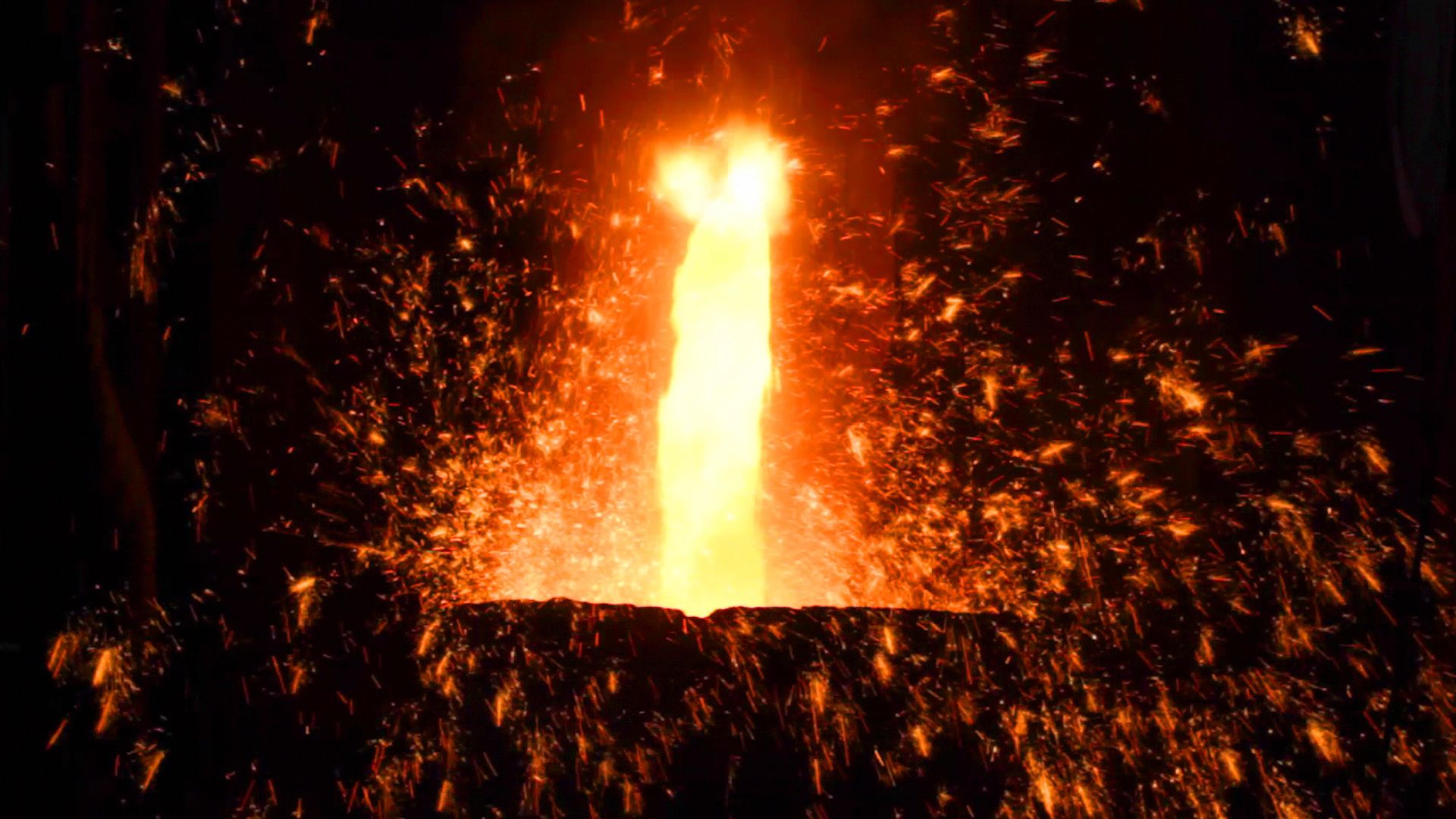
Abraham Darby’s successful use of coke to smelt iron ore in 1709 revolutionized iron production in England by overcoming the limitations of charcoal.12
Because charcoal was too weak to support a heavy charge of iron, furnaces were historically restricted in size. Coke, however, possessed greater strength, which allowed for the construction of significantly larger blast furnaces. This innovation led to substantial improvements in both cost and efficiency, enabling weekly outputs of 5 to 10 tons of pig iron.12
Furthermore, the quality of iron produced through Darby’s coke-fired process enabled the manufacture of thin castings that could compete with brass for hollow ware. While Dud Dudley had experimented with "pit-coal" earlier in the 17th century, it was Darby’s demonstration at Coalbrookdale that established the industrial viability of coke as a fuel source, helping to address the scarcity of wood caused by the rapid destruction of forests.13