
How could hydrogen-based ironmaking reduce carbon dioxide emissions from steel production?
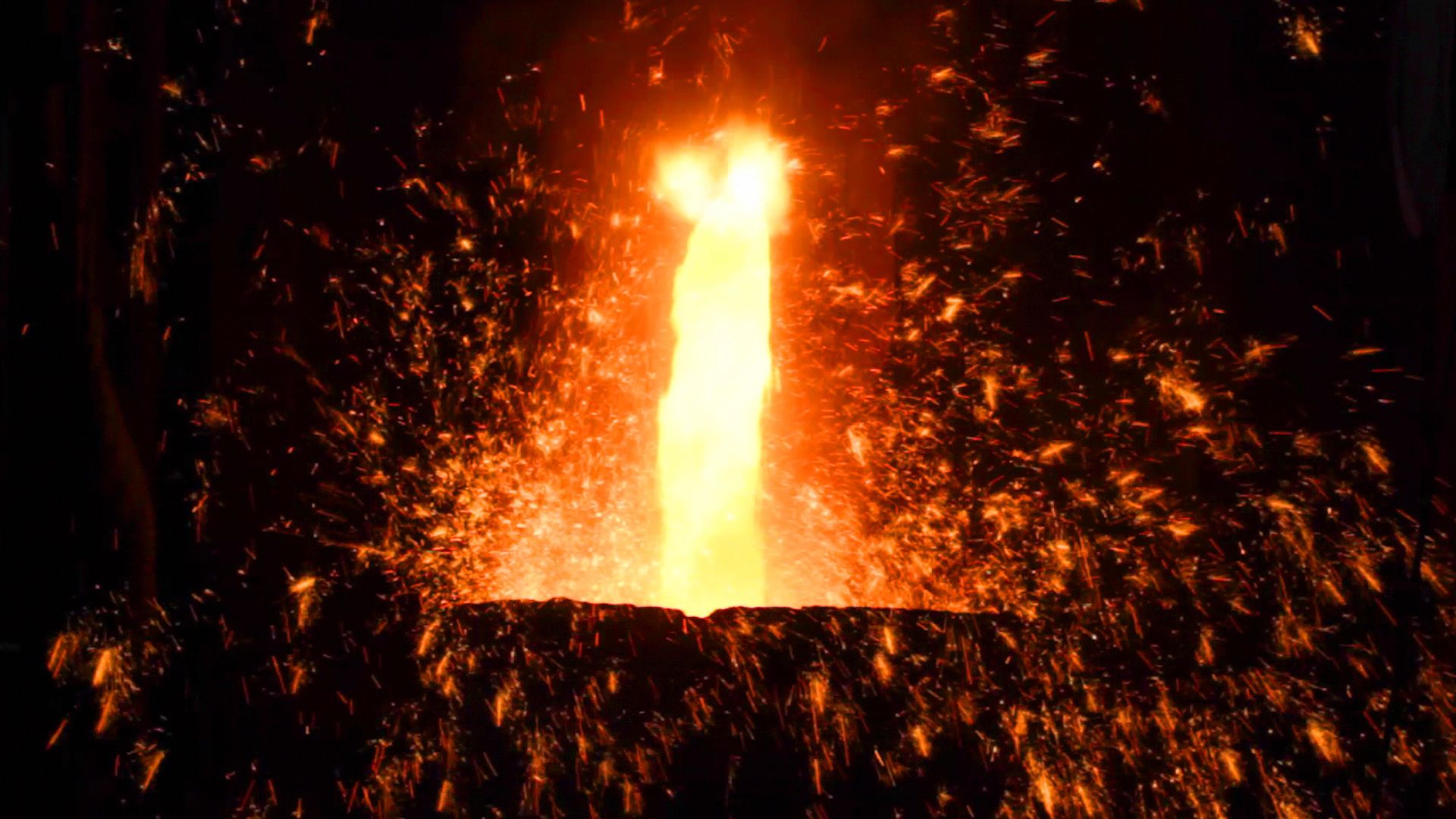
Hydrogen-based ironmaking reduces carbon dioxide emissions by replacing carbon-based reductants—such as coke or coal—with hydrogen () in the chemical reduction of iron ore.
In traditional ironmaking processes, such as the blast furnace, carbon is used to extract iron from its ore, a process that inherently produces carbon-based gases. In contrast, direct reduction (DR) processes can utilize hydrogen as a reducing agent. For example, in gas-based shaft furnace operations, a reformer can convert methane into a mixture of carbon monoxide and hydrogen to reduce iron ore pellets at high temperatures. By shifting the reliance toward hydrogen, the chemical reaction produces water vapor rather than carbon dioxide as a byproduct, thereby significantly lowering the carbon footprint of the steel production cycle.12
While hydrogen is a promising alternative, it is important to note that hydrogen management is also a critical concern in steelmaking; hydrogen must be carefully controlled during the process, as its absorption into liquid steel can cause brittleness and defects in the final product.3