
Britannica
Sources used in this answer
How can blast-furnace gas be reused to heat hot-blast stoves?
Created from Britannica articles
using AI.
AI can make mistakes, so verify using Britannica articles.
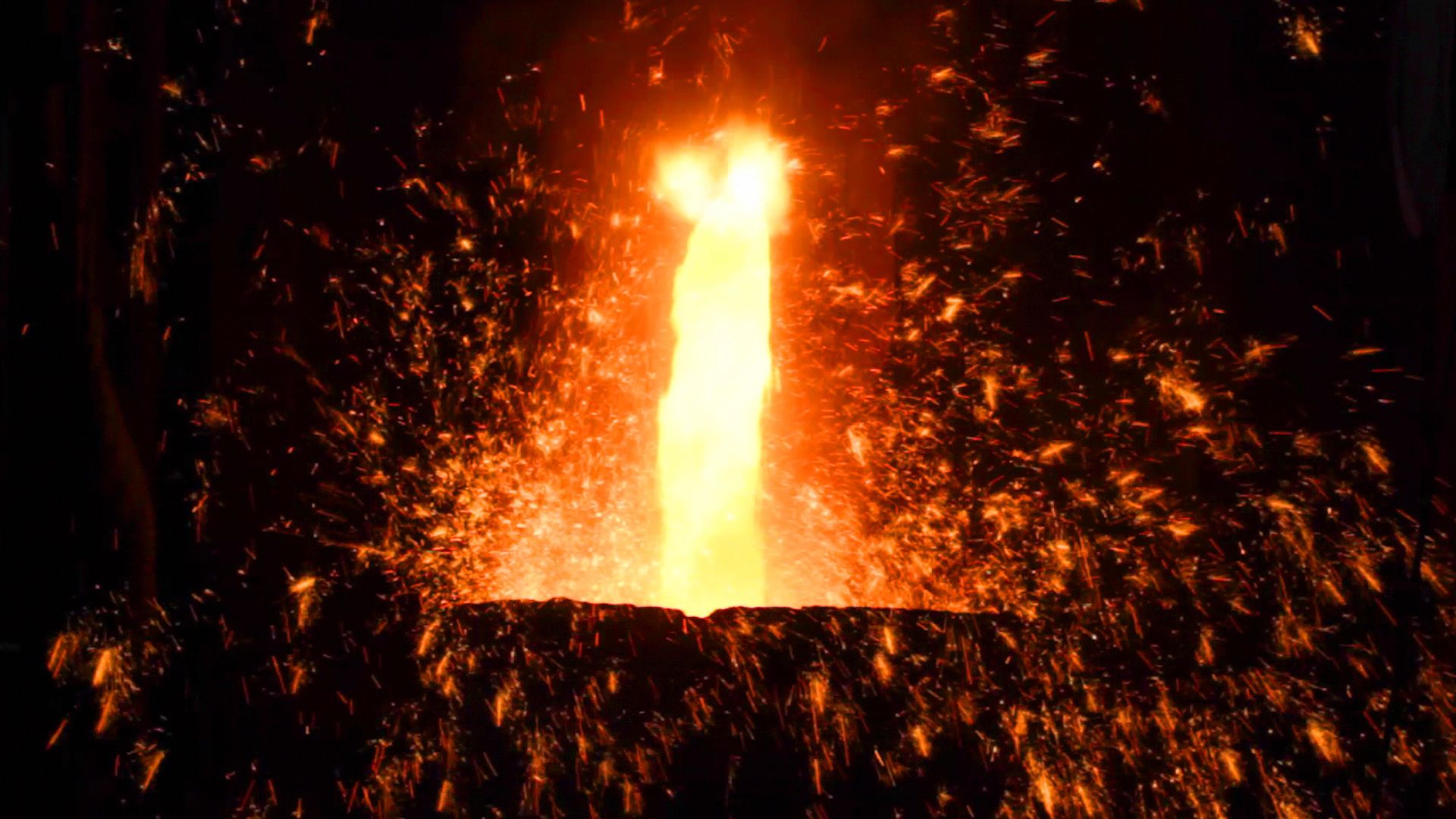
iron processing
Iron ore is one of the most abundant elements on Earth, and one of its primary uses is in the production of steel. When combined with carbon, iron changes character completely and becomes the alloy steel.
In the context of iron processing, blast-furnace gas is a valuable by-product that can be repurposed to heat hot-blast stoves. The process functions as follows:
- Gas Collection and Cleaning: Gas exiting the top of the blast furnace contains carbon monoxide, carbon dioxide, and nitrogen. Before it can be used as fuel, the dust must be removed from this gas.1
- Combustion: The cleaned blast-furnace gas, often supplemented with coke-oven gas, is burned within the combustion chamber of the hot-blast stove.21
- Heat Storage: The heat generated by this combustion is absorbed by a checkerwork of firebrick located in the stove’s regenerative chamber.21
- Air Preheating: Once the stove is sufficiently heated, the combustion process is stopped. Cold air is then blown through the chamber in the reverse direction, where it absorbs the stored heat from the bricks before being delivered to the blast furnace through the tuyeres.1
To ensure a continuous supply of preheated air, furnaces typically utilize three or four stoves, allowing some to store heat while others provide the hot blast.21