
Britannica
Sources used in this answer
How can a reducing slag help remove sulfur and oxygen from electric-arc steel?
Created from Britannica articles
using AI.
AI can make mistakes, so verify using Britannica articles.
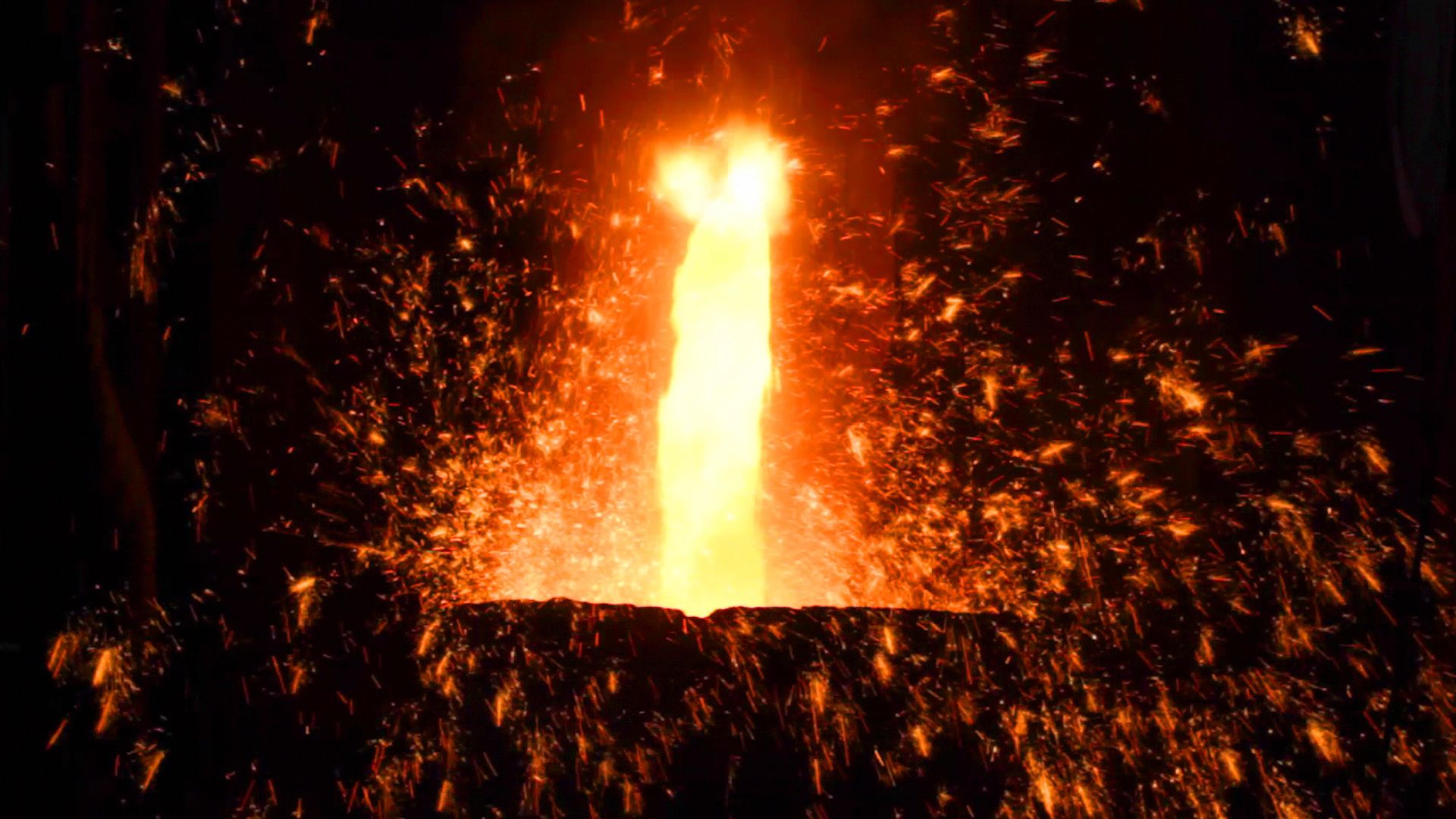
iron processing
Iron ore is one of the most abundant elements on Earth, and one of its primary uses is in the production of steel. When combined with carbon, iron changes character completely and becomes the alloy steel.
In electric-arc furnace (EAF) steelmaking, a reducing slag is essential for producing high-quality steel with low oxygen and sulfur content. This is typically achieved through a two-slag practice, where the initial oxidizing slag is removed after meltdown and replaced with a new, reducing slag.1
The reducing slag helps remove these impurities through the following mechanisms:
- Sulfur Removal: Sulfur is removed by converting calcium oxide (lime) into calcium sulfide. This reaction is highly effective when the slag has high basicity and very low iron oxide content, as oxygen and sulfur compete to combine with the calcium.21
- Oxygen Removal: The reducing slag contains agents such as carbon, aluminum, or calcium carbide, which effectively deoxidize the melt. By maintaining a slag with practically no iron oxide, the furnace environment prevents reoxidation and allows for the efficient removal of dissolved oxygen.12
This process ensures precise metallurgical control, allowing for the addition of easily oxidized alloys with minimal losses.1