
Britannica
Sources used in this answer
Why is one volt equal to one joule per coulomb?
Created from Britannica articles
using AI.
AI can make mistakes, so verify using Britannica articles.
electromagnetism
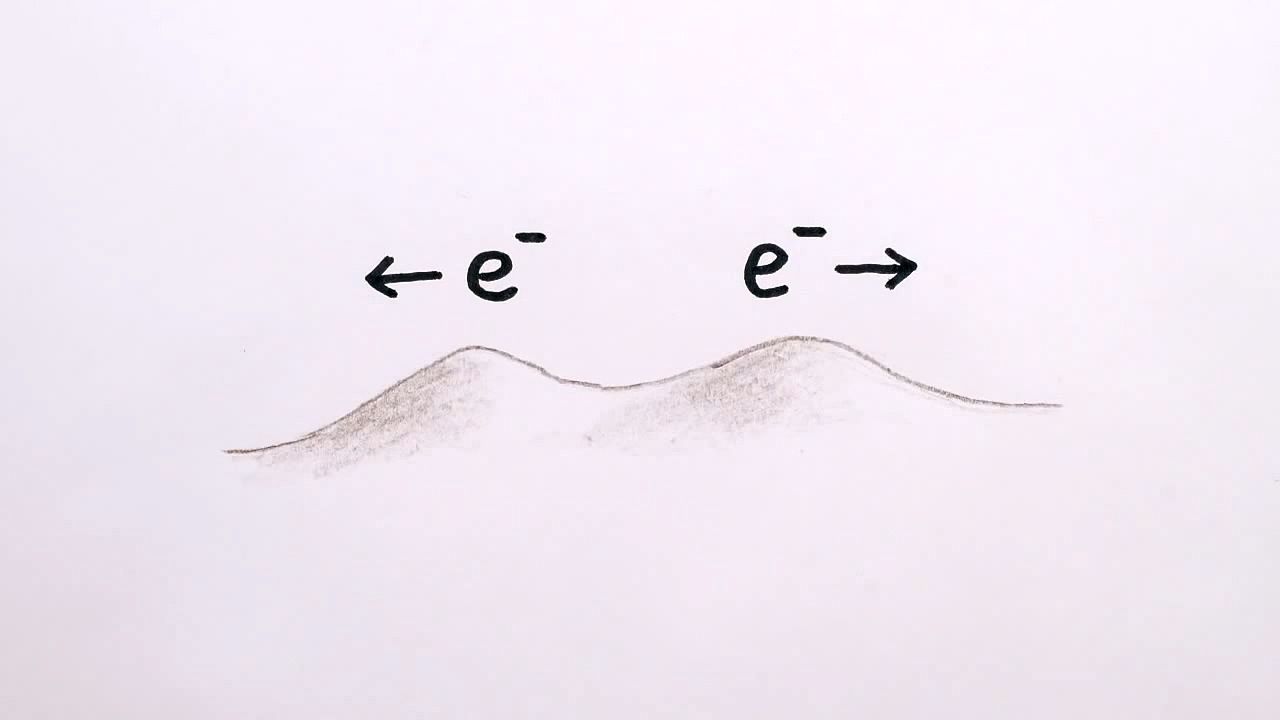
Learn how the presence of electrons between two objects changes the notion of touch.
In physics, electric potential is defined as the amount of work required to move a unit charge from a reference point to a specific location within an electric field.1
Because electric potential is essentially the potential energy per unit charge, it is measured in the Système Internationale d’Unités (SI) using the volt. Since work is measured in joules and charge is measured in coulombs, one volt is equivalent to one joule per coulomb. This relationship quantifies the energy transfer involved in moving a charge through a potential difference.21