
Why is it difficult to predict combustion over a wide range of temperatures?
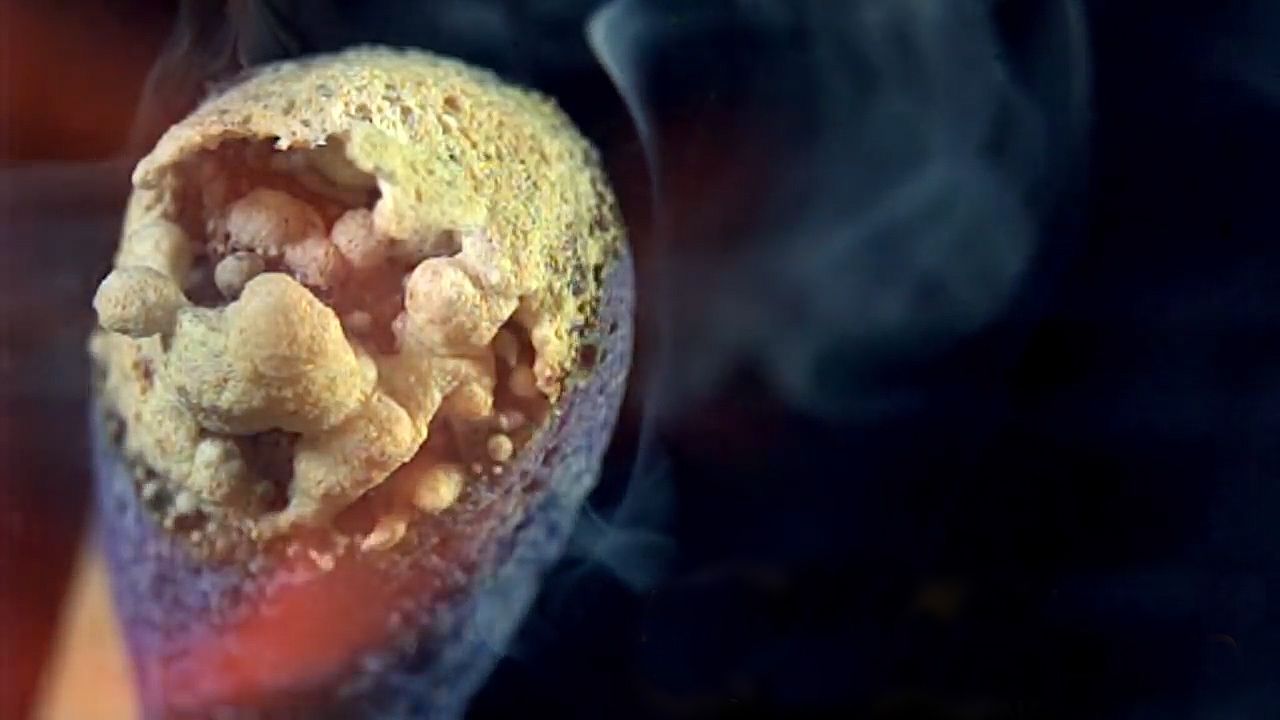
Predicting combustion phenomena over wide ranges of temperature and concentration is difficult, and often impossible, due to the extreme complexity of the underlying reaction mechanism.1
Combustion is a multi-step process that involves rapidly varying temperatures and concentrations within a mixture. While the Arrhenius equation provides a mathematical basis for describing how temperature affects the rate of a single chemical reaction, it is insufficient to capture the full scope of combustion. Combustion involves intricate, branched-chain reactions—particularly in the case of hydrocarbons—where diverse molecules and radicals interact simultaneously. Furthermore, these processes often involve competing reactions, such as oxidation and thermal decomposition, which change in dominance depending on the specific thermal conditions.1234
Because of these variables, scientists cannot derive a single universal equation to predict combustion across broad conditions. Instead, researchers rely on empirical expressions derived specifically for defined reaction environments to describe characteristics like burning velocity and ignition delay.14