
Britannica
Sources used in this answer
Why is feeding behaviour more than a simple reflex?
Created from Britannica articles
using AI.
AI can make mistakes, so verify using Britannica articles.
Feeding behaviour
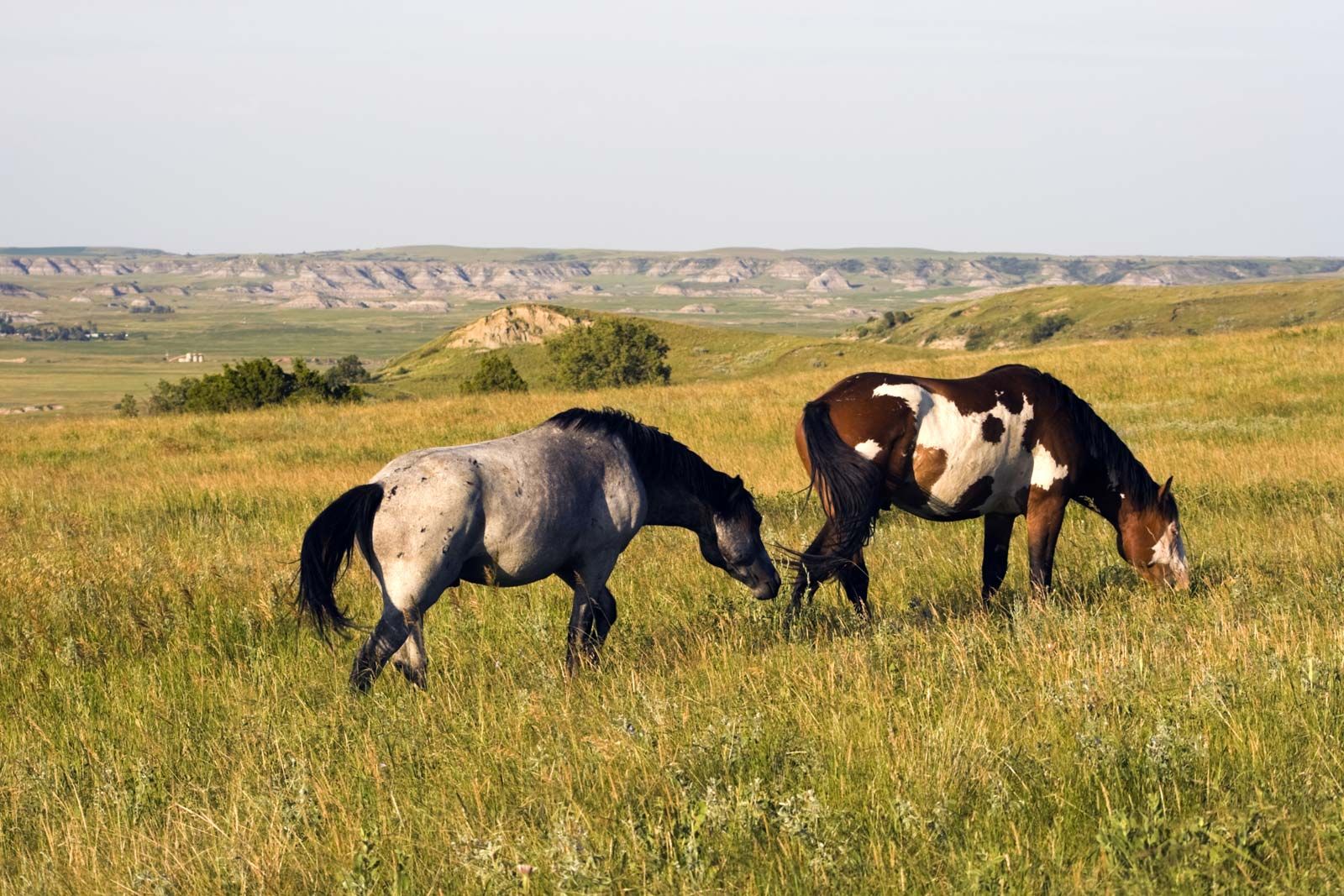
Wild horses graze in the Badlands of North Dakota.
Feeding behaviour is more than a simple reflex because it is a complex, well-ordered sequence of activities—such as searching, pursuing, and ingesting—that is governed by internal motivation rather than just immediate environmental stimuli.1
While a reflex is a direct, automatic response, feeding behaviour is flexible and fluctuates based on the body's physiological state. Key reasons it transcends a simple reflex include:1
- Internal Regulation: The brain monitors the body's nutritional status, such as fuel levels in the blood, digestive tract, and fat tissues. These signals determine the level of hunger or satiety, which dictates whether an animal will initiate or cease feeding.21
- Complex Brain Mechanisms: Feeding is controlled by a sophisticated network, including the hypothalamus and the limbic system, which integrate various sensory inputs and physiological feedback to regulate intake.2
- Adaptive Flexibility: Animals do not always respond to food in the same way; their responsiveness depends on their current need for energy. Furthermore, feeding can be influenced by social contexts, such as courtship feeding or colony-wide nutritional strategies in social insects.13