
Why is combustion usually an exothermic reaction?
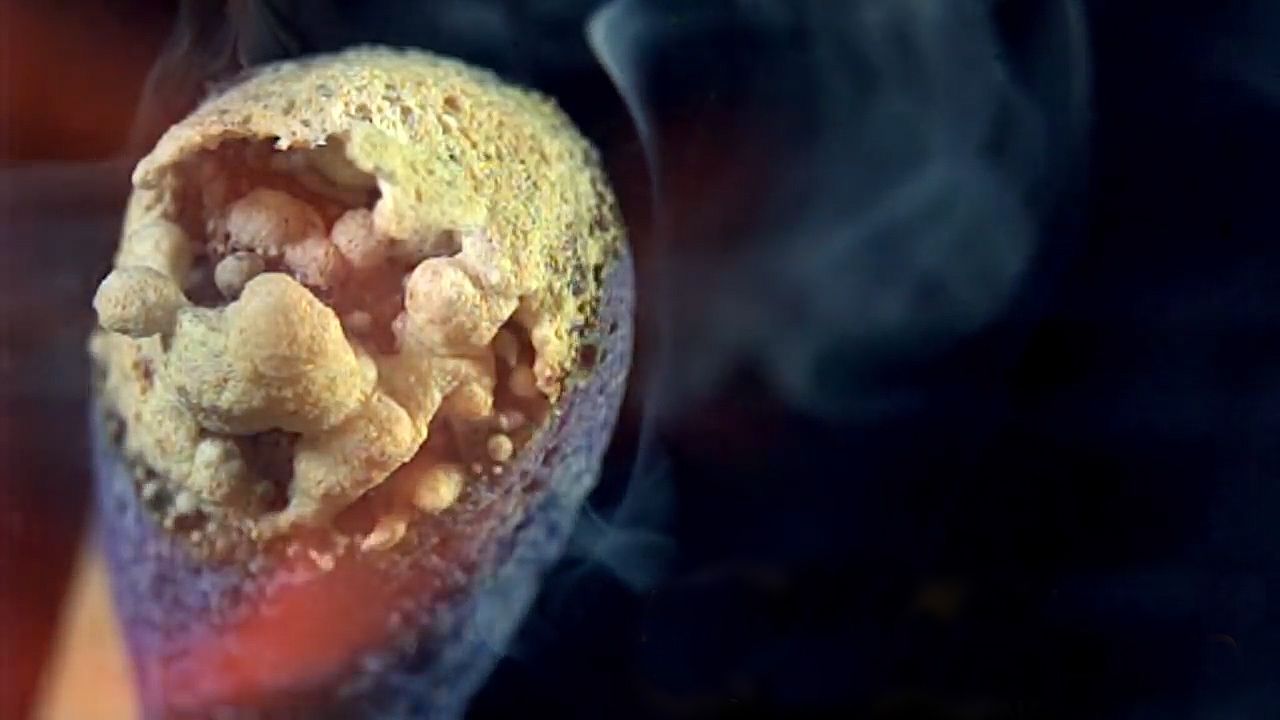
Combustion is considered an exothermic reaction because it releases energy as heat and light during the process.1
This occurs because the chemical bonds in the resulting product molecules—such as carbon dioxide and water—are stronger and more stable than the bonds found in the original reactant molecules, such as methane and oxygen. As these new, more stable bonds form, the chemical potential energy of the system decreases. The excess energy that is no longer stored in the bonds is then evolved into the surroundings, primarily as heat and radiant energy.1
In accordance with the first law of thermodynamics, this released energy is equal to the heat gained by the surroundings plus any work performed by the system, such as the expansion of gases against a piston in an internal-combustion engine.1