
Why is carbon monoxide combustion often linked to hydrogen-containing mixtures?
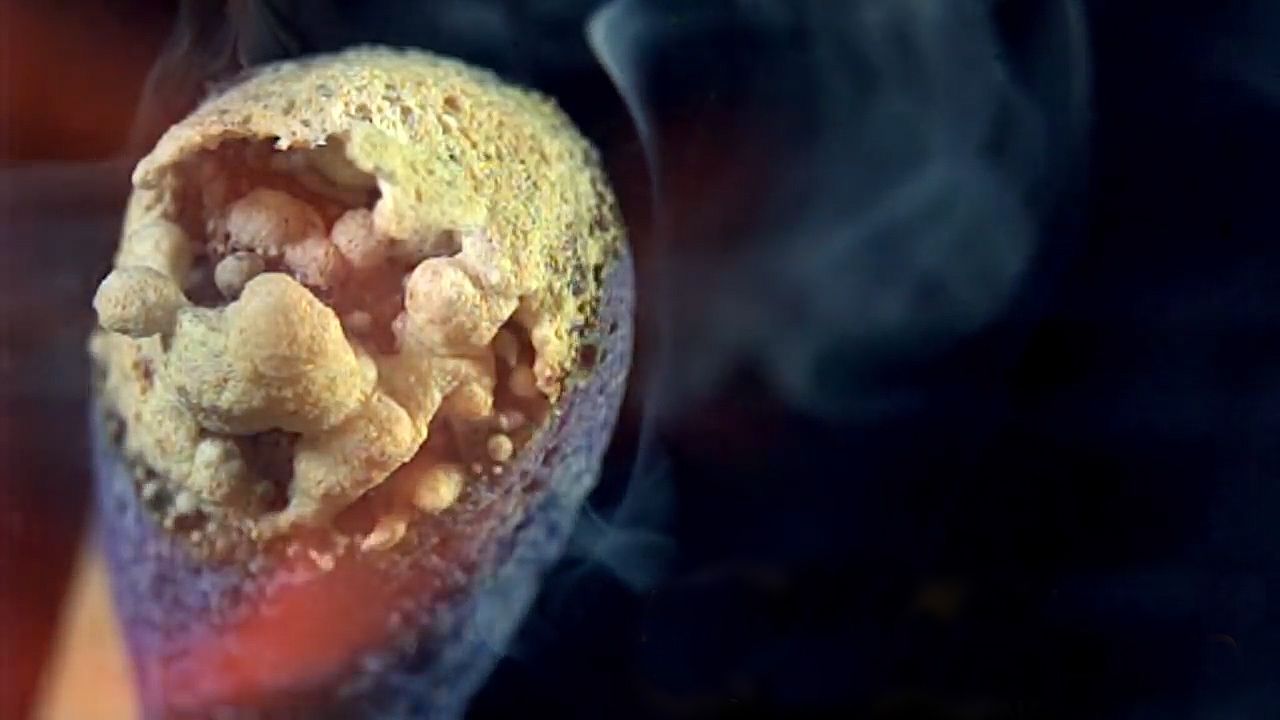
The combustion of carbon monoxide is primarily linked to hydrogen-containing mixtures because the presence of hydrogen or hydrogen compounds significantly facilitates the reaction mechanism.1
While pure mixtures of carbon monoxide and oxygen are difficult to ignite—requiring high-energy sparks or extreme temperatures and pressures—the addition of hydrogen allows for a faster reaction pathway. Specifically, the mechanism involves a rapid interaction between hydroxyl radicals and carbon monoxide.1
In practical scenarios, such as the burning of natural fuels like wood, coal, or petroleum, the breakdown of these materials naturally produces carbon monoxide alongside hydrogen and various hydrogen-containing compounds. Consequently, the oxidation of carbon monoxide during these processes typically occurs in the presence of these hydrogen sources, which act as essential components in the combustion chemistry.1