
Britannica
Sources used in this answer
Why is burning wood favored by changes in entropy?
Created from Britannica articles
using AI.
AI can make mistakes, so verify using Britannica articles.
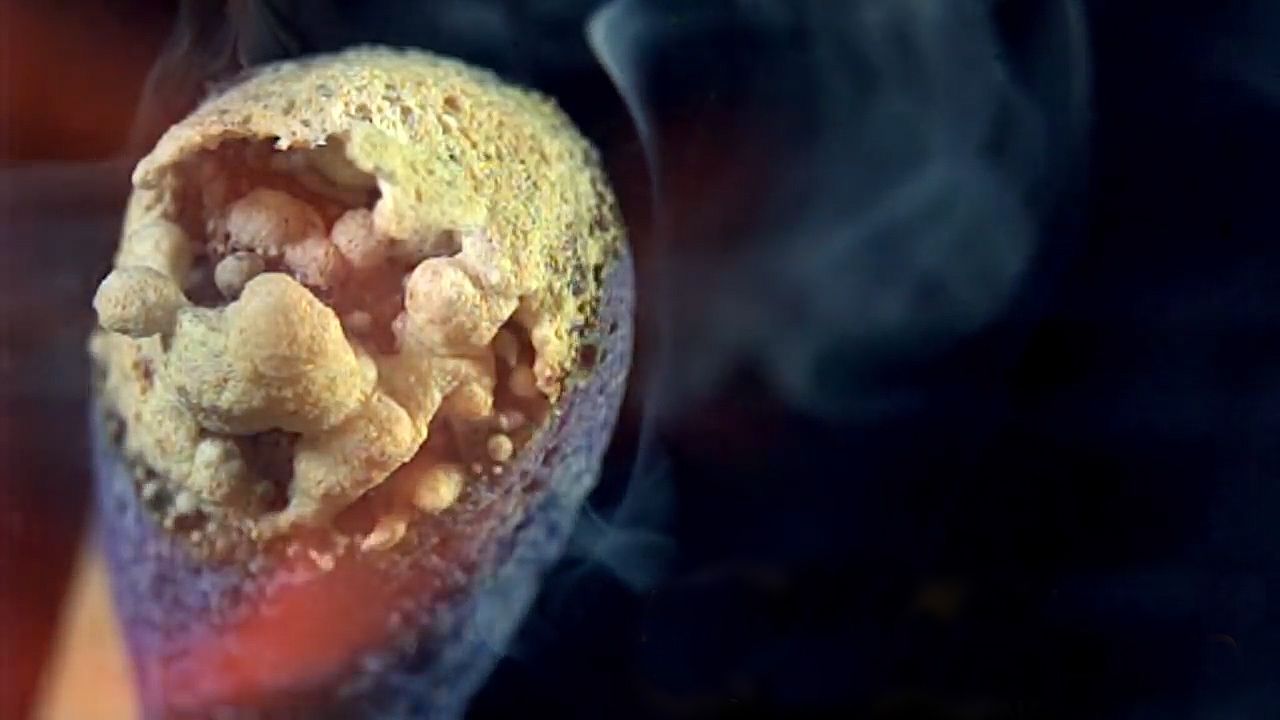
combustion
Learn about the chemistry of lighting a match.
Burning wood is favored by changes in entropy because the process results in a net increase in the total entropy of the system and its surroundings, which is a requirement for a spontaneous chemical reaction according to the second law of thermodynamics.
The favorability of this reaction is driven by two primary factors:
- System Entropy: Wood, a solid with relatively low entropy, is converted into products that include carbon dioxide gas and water vapor. These gaseous products possess higher entropy due to the greater freedom of movement of their molecules compared to the solid reactant.1
- Surroundings Entropy: Combustion is an exothermic reaction, meaning it releases heat into the surroundings. This transfer of thermal energy increases the entropy of the surroundings.1
Because the sum of the entropy increases in both the reaction system and the surrounding environment is positive, the combustion of wood is product-favored.1