
Why does trapped heat increase the risk of spontaneous combustion in bulky materials?
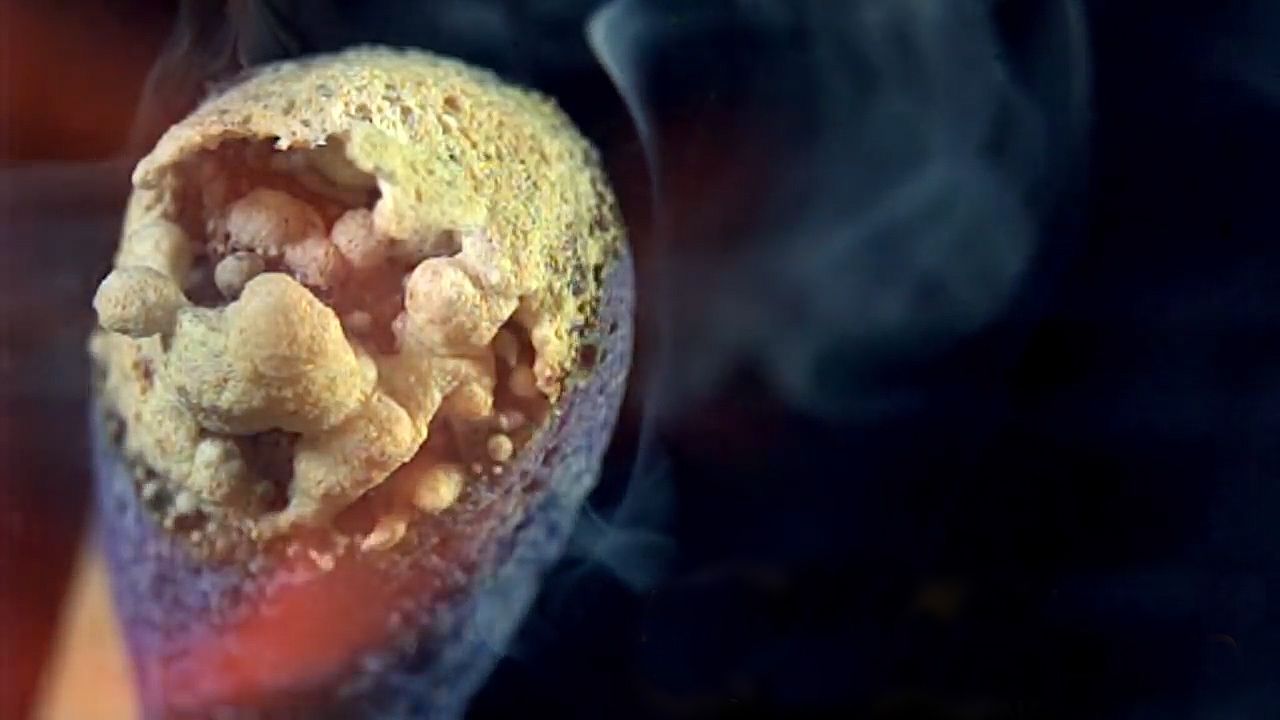
Spontaneous combustion occurs when combustible materials stored in bulk, such as hay or coal, undergo a slow oxidation process that generates heat. In bulky materials, this heat cannot easily dissipate, causing it to become trapped within the mass.1
As the internal temperature rises, it accelerates the rate of the chemical reaction. According to the theory of thermal explosions, if the rate of heat production exceeds the rate at which heat can be lost to the surroundings, the temperature continues to climb until it reaches an ignition point, triggering a fire. Essentially, the trapped heat creates a feedback loop where the reaction becomes increasingly exothermic, eventually leading to spontaneous combustion. To mitigate this risk, materials are often dried or ventilated to ensure heat can escape, thereby inhibiting the buildup of temperature necessary for ignition.213