
Why does damaged skin increase the risk of infection after a burn?
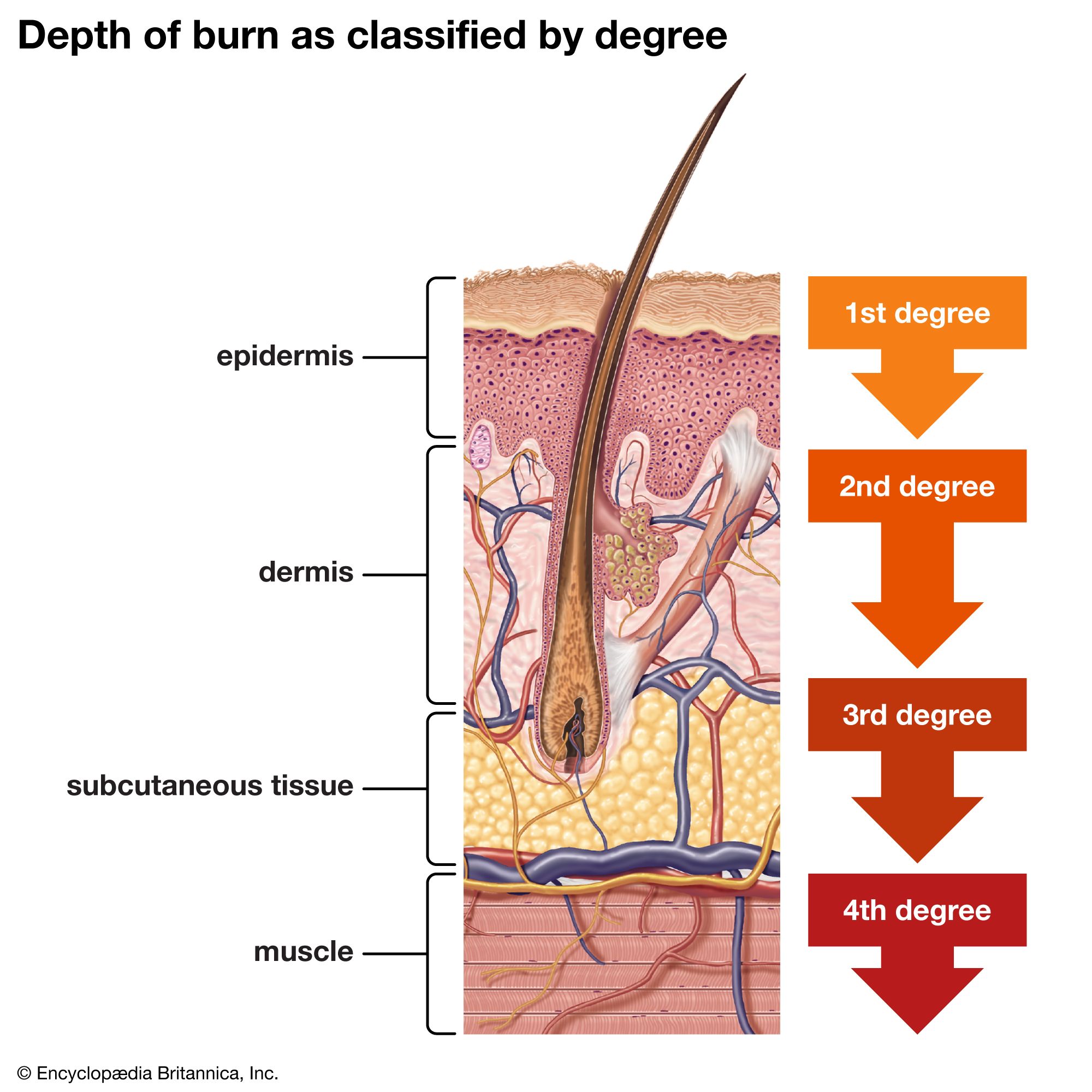
Damaged skin significantly increases the risk of infection because it compromises the body’s primary mechanical barrier against the external environment. Under normal conditions, the epidermis acts as a tough, protective shield that prevents infectious microorganisms from entering the body.123
When this barrier is destroyed by a burn, the body loses its first line of defense, allowing bacteria to easily penetrate and colonize the underlying tissues. Furthermore, healthy skin glands contribute to immune protection by secreting substances like fatty acids and lysozyme, which can kill or break down certain bacteria. The destruction of these glands and the loss of intact skin leave burn victims highly susceptible to infections from microorganisms that are typically harmless. Consequently, preventing infection is a primary goal in the clinical management of burn wounds, often requiring the use of topical antibacterial agents and sterile dressings to compensate for the lost protective barrier.1345