
Why does crushing a structurally colored feather often change its color?
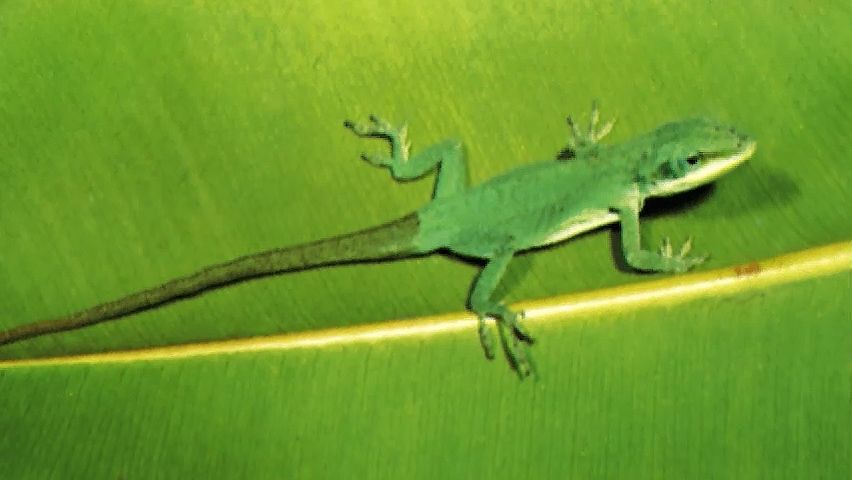
In biology, coloration is produced either chemically through pigments or physically through submicroscopic structures that fractionate light.
Structural colors are created by the precise arrangement of physical structures, such as thin layers or air-filled cavities, which interact with light to produce specific hues. Because these colors depend entirely on the integrity of these delicate, microscopic geometries, they are easily altered or destroyed by physical trauma. When a structurally colored feather is crushed, ground, or compressed, the physical arrangement of these structures is disrupted, preventing them from interacting with light in the same way and causing the color to change or disappear.1
In contrast, pigmentary colors are of molecular origin and are expressed independently of these physical structures. Consequently, they remain stable and are not altered by crushing or compression.1