
Britannica
Sources used in this answer
Why does crushing a pigmented object usually not change its color?
Created from Britannica articles
using AI.
AI can make mistakes, so verify using Britannica articles.
coloration
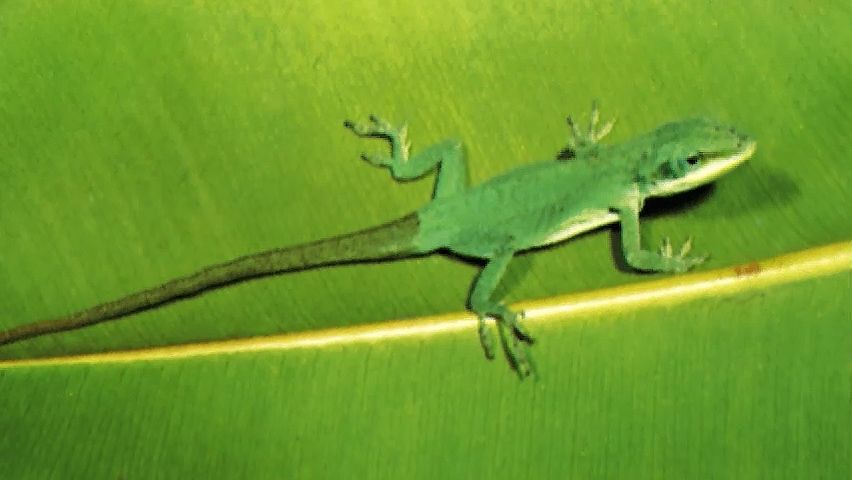
The anole changes color in response to its stress level.
Crushing a pigmented object does not change its color because pigmentary colors are of molecular origin. These natural pigments, or biochromes, produce color through the selective absorption and reflection of light based on their specific chemical properties and molecular structure. Because this color is an inherent property of the molecules themselves, it remains stable and is not altered by physical processes such as crushing, grinding, or compression.12
In contrast, structural colors—which are produced by submicroscopic physical structures that fractionate incident light—are often destroyed or altered by such mechanical stress.1