
Britannica
Sources used in this answer
Why does convection help mix gases in a furnace?
Created from Britannica articles
using AI.
AI can make mistakes, so verify using Britannica articles.
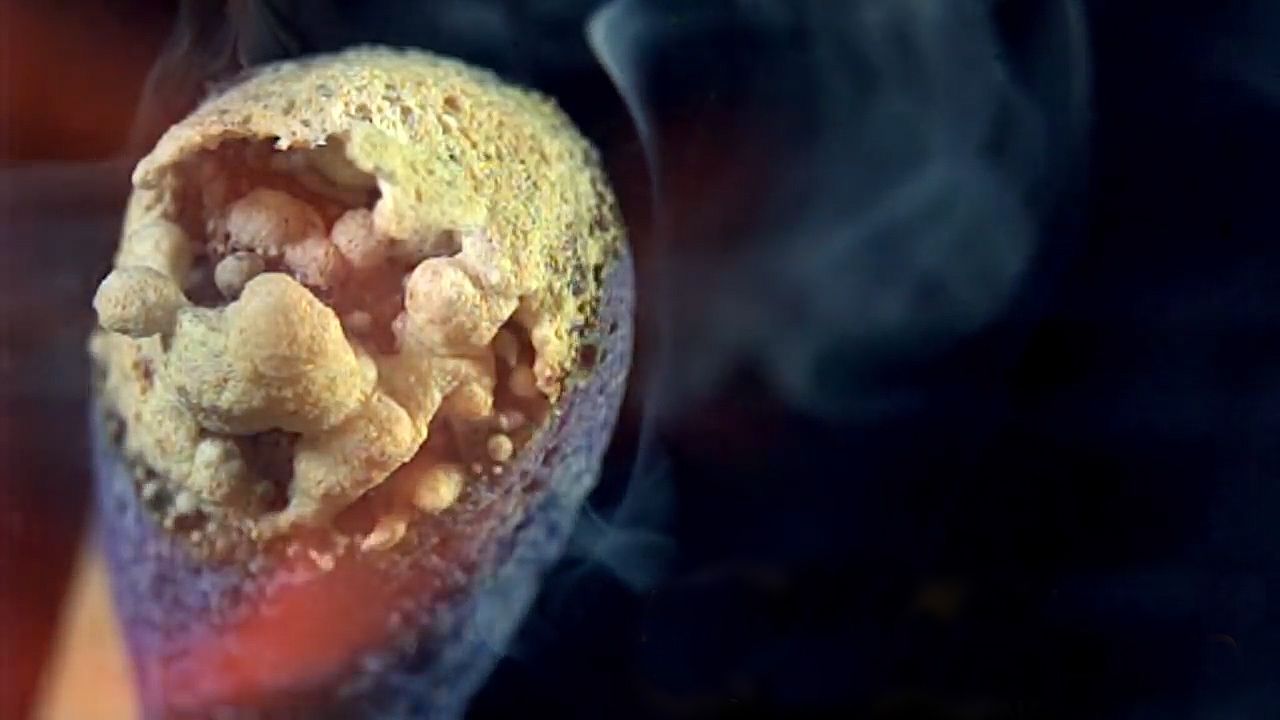
combustion
Learn about the chemistry of lighting a match.
In the context of combustion, convection is primarily responsible for the mixing of gases within a furnace.1
This process occurs because convection involves the transport of mass and energy driven by buoyant forces, external forces, and turbulent or eddy motions. As gases are heated, they typically expand and become less dense, causing them to rise, while cooler, denser gases sink. This continuous movement establishes convection currents that circulate the gases, ensuring they are effectively mixed throughout the furnace environment. By facilitating this movement, convection helps maintain more uniform conditions, which is essential for the efficiency of the combustion process.12