
Why does adding nitrogen or helium to a burning mixture lower its flame temperature?
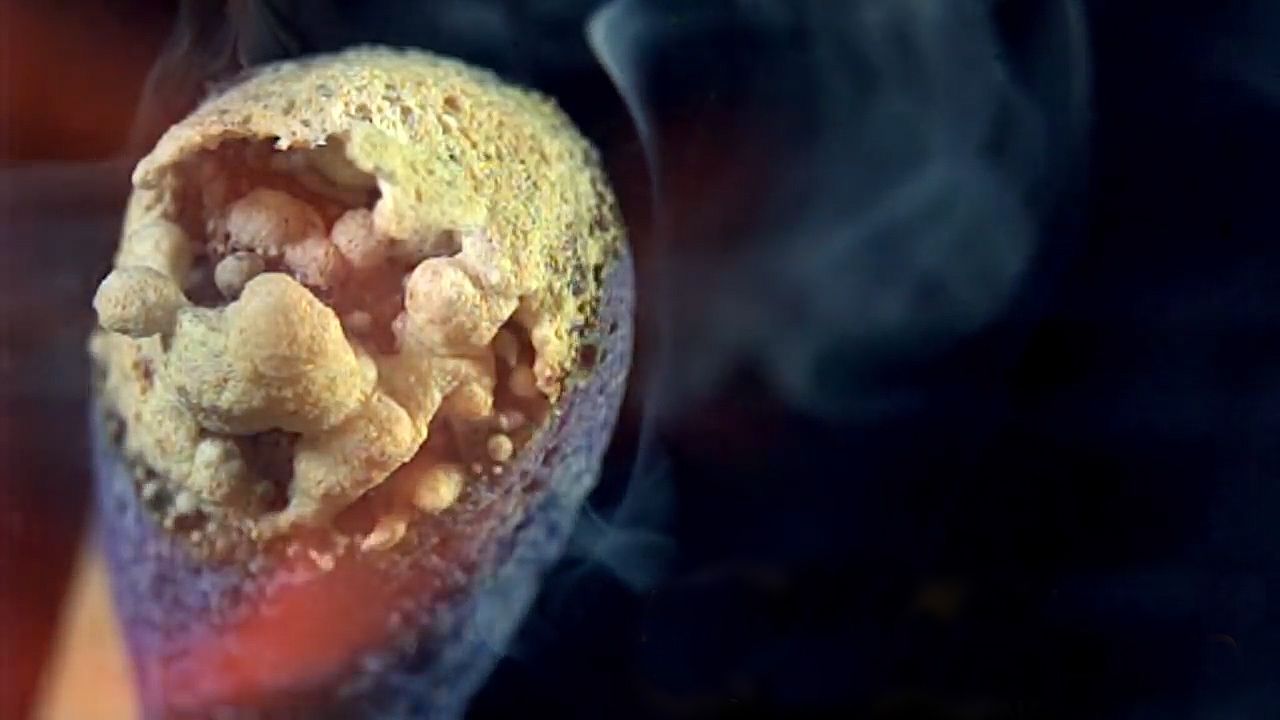
Adding an inert gas such as nitrogen or helium to a burning mixture lowers the flame temperature because these gases act as diluents within the reaction zone.1
In a combustion reaction, the heat released by the chemical process is distributed across all molecules present in the mixture. When an inert gas is introduced, it absorbs a portion of this thermal energy without participating in the exothermic reaction itself. Because the total energy released by the fuel remains constant while the heat capacity of the mixture increases, the overall temperature of the flame decreases.1
This reduction in temperature subsequently lowers the reaction rate. If a sufficient quantity of inert gas is added, the temperature drops below the level required to sustain the combustion process, effectively extinguishing the flame.1