
Britannica
Sources used in this answer
Why do oceans keep water for much longer than the atmosphere does?
Created from Britannica articles
using AI.
AI can make mistakes, so verify using Britannica articles.
water
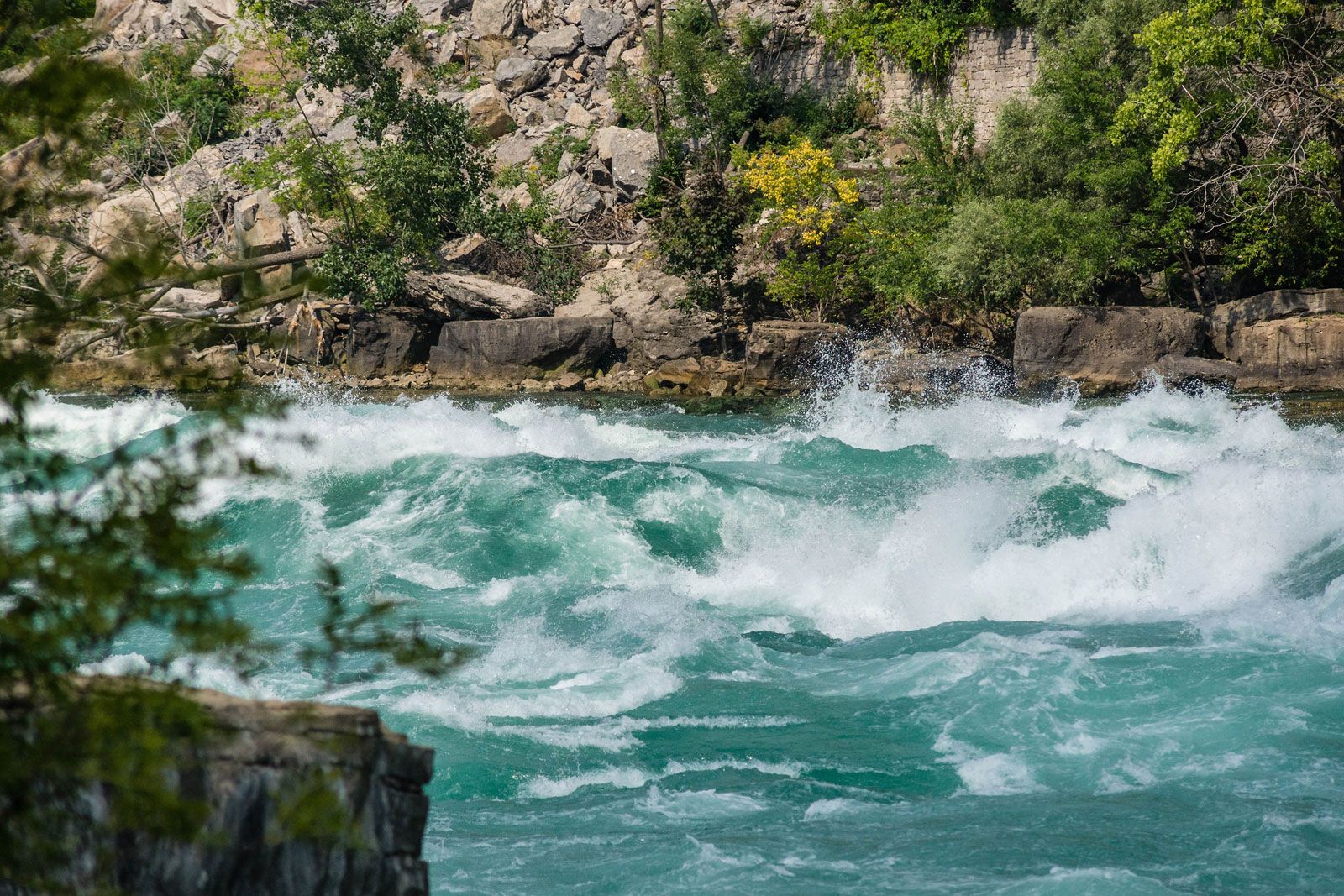
Water is the most plentiful compound on Earth and is essential to life. Although water molecules are simple in structure (H2O), the physical and chemical properties of water are extraordinarily complicated.
The difference in how long water remains in the oceans versus the atmosphere is defined by their respective residence times, which are determined by the volume of the reservoir and the rate at which water enters or leaves it.1
- Oceans: These act as massive reservoirs, containing approximately 96.5 percent of Earth's water. Because of this immense volume, a single molecule of water remains in the ocean for an average of 3,000 to 3,230 years.231
- Atmosphere: In contrast, the atmosphere holds a negligible amount of water—only about 0.001 percent of the total at Earth's surface. Due to the rapid nature of the water cycle, water vapor typically remains in the atmosphere for only about 10 days before returning to the surface as precipitation.231
Essentially, the ocean's long residence time is a direct reflection of its vast capacity, whereas the atmosphere's short residence time reflects its role as a transient, highly active component of the hydrosphere that constantly cycles moisture between the surface and the clouds.12