
Why do many green fish and reptiles not contain green pigment?
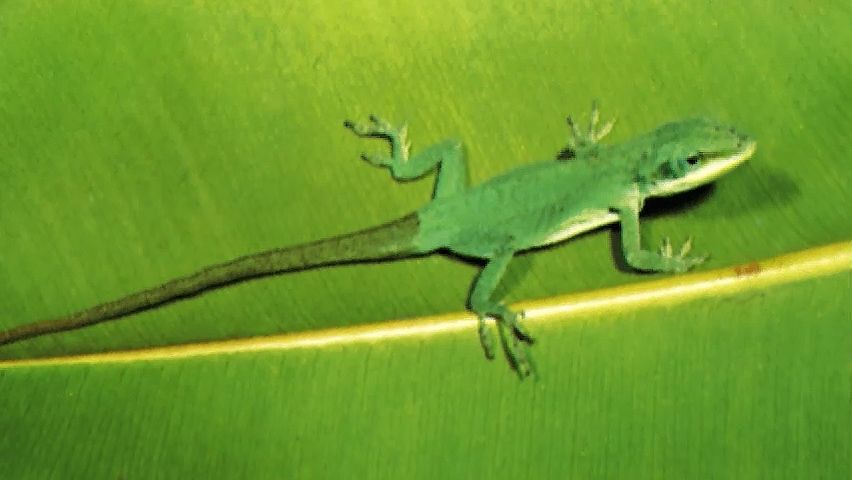
Most green fish and reptiles do not possess green pigment. Instead, their green appearance is a result of structural coloration, specifically the interaction between scattered blue light and an overlying layer of yellow pigment.1
This phenomenon occurs through the following process:
* Blue Scattering: Fine particles in the skin scatter shorter wavelengths of light, such as blue, while longer wavelengths pass through to be absorbed by underlying dark melanin deposits.1
* Yellow Pigmentation: This scattered blue light then passes through an overlying layer of yellow pigment, typically contained within xanthophores.
The combination of the blue light and the yellow pigment creates the perception of green. If the yellow pigment is removed from the skin or a feather, the remaining structure appears blue. While there are rare exceptions where green pigments do occur, this combination of structural scattering and biochromes is the standard mechanism for green coloration in these animals.12